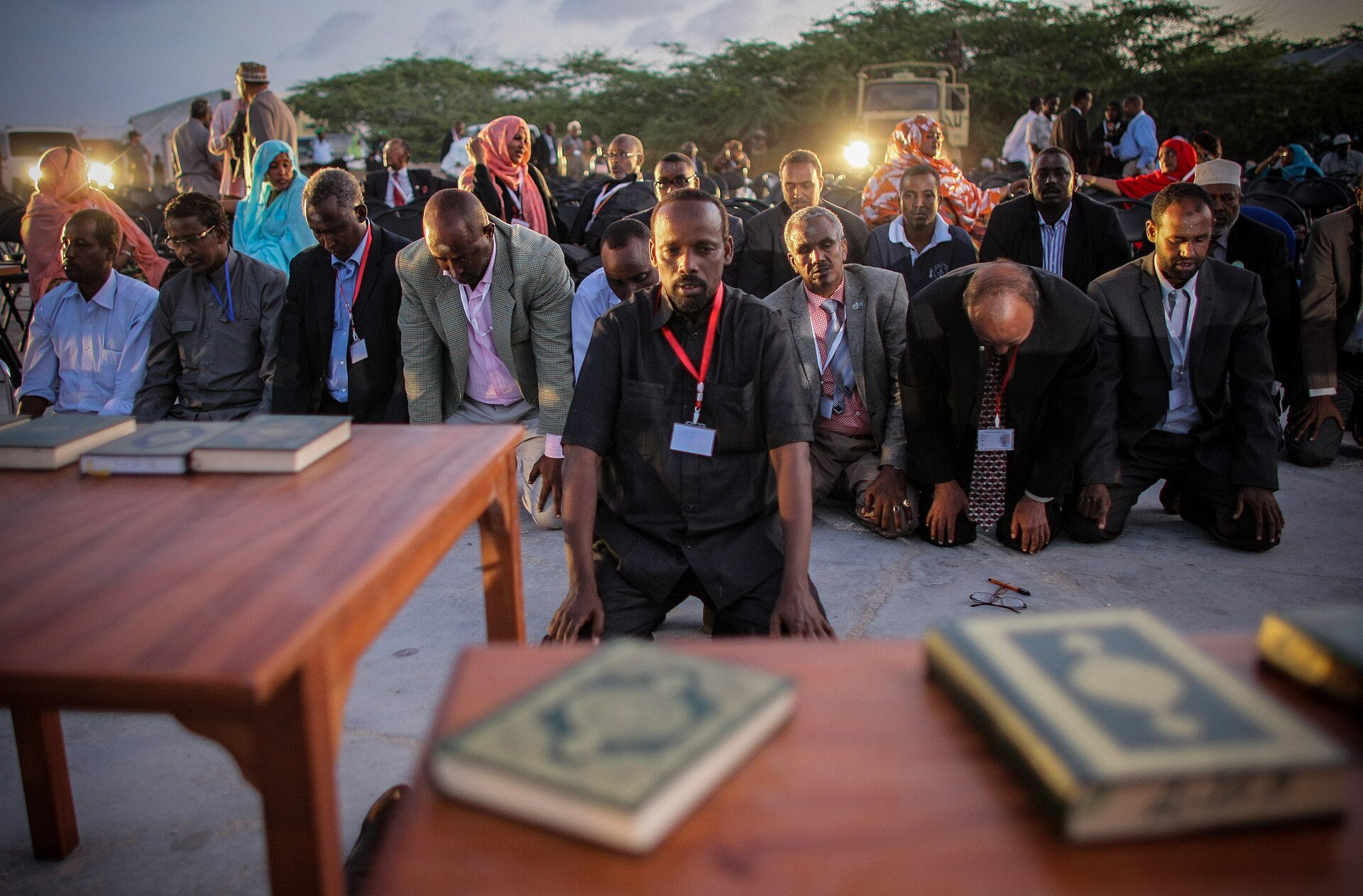
On Saturday night in Mogadishu, crowds filled the squares at Taleex and Boondheere, women, children, elderly residents, musicians and young social-media personalities among them, to celebrate Hirshabelle’s election, FTL Somalia reported. That day in Jowhar the state’s House had re-elected President Ali Abdullahi Hussein “Guudlaawe”, 81 votes to 13 for Nur Ilmi Halane, Dawan Africa reported. President Hassan Sheikh Mohamud congratulated him and the new vice president, Abdifatah Hassan Afrah, Horseed Media reported.
In Beledweyne, in Hiiraan, a different gathering was sitting. Traditional elders and community representatives had opened a consultative forum there, Kaab TV reported, backed by the state’s own vice president, Yusuf Ahmed Hagar, known as Dabageed, who rejected the Jowhar election and said he would remain in office until an inclusive political agreement is reached. No outcome from the forum has been reported.
The ruling party’s candidate had won, as it did in Galmudug two days earlier, and the count was never in doubt: the Justice and Solidarity Party (JSP) holds 78 of the House’s 99 seats. This report asks what the win did not settle. Our reading is that an 81-to-13 vote in Jowhar says little about whether Hiiraan accepts the result, that the grievances of the Hawadle clan that dominated the buildup are unresolved, and that some of the voices around the dispute are now talking about armed options. The analysis of how the vote was run is in the original, Galmudug’s Court Case Is a Checklist. Hirshabelle’s Election Only Partly Passes It.
The count and the court
The commission announced results on October 3. Dawan Africa reported that the JSP won 78 of the 99 House seats and 158 of the 222 local council seats; I have not found the commission’s own statement. Council seats listed by party add up to 220, not 222, and results cover 10 districts although the commission designated 12 on August 28. I could not find which two were left out, or whether Beledweyne voted. The Hirshabelle presidency says the parties that contested accepted the results, per Dawan; it names no party.
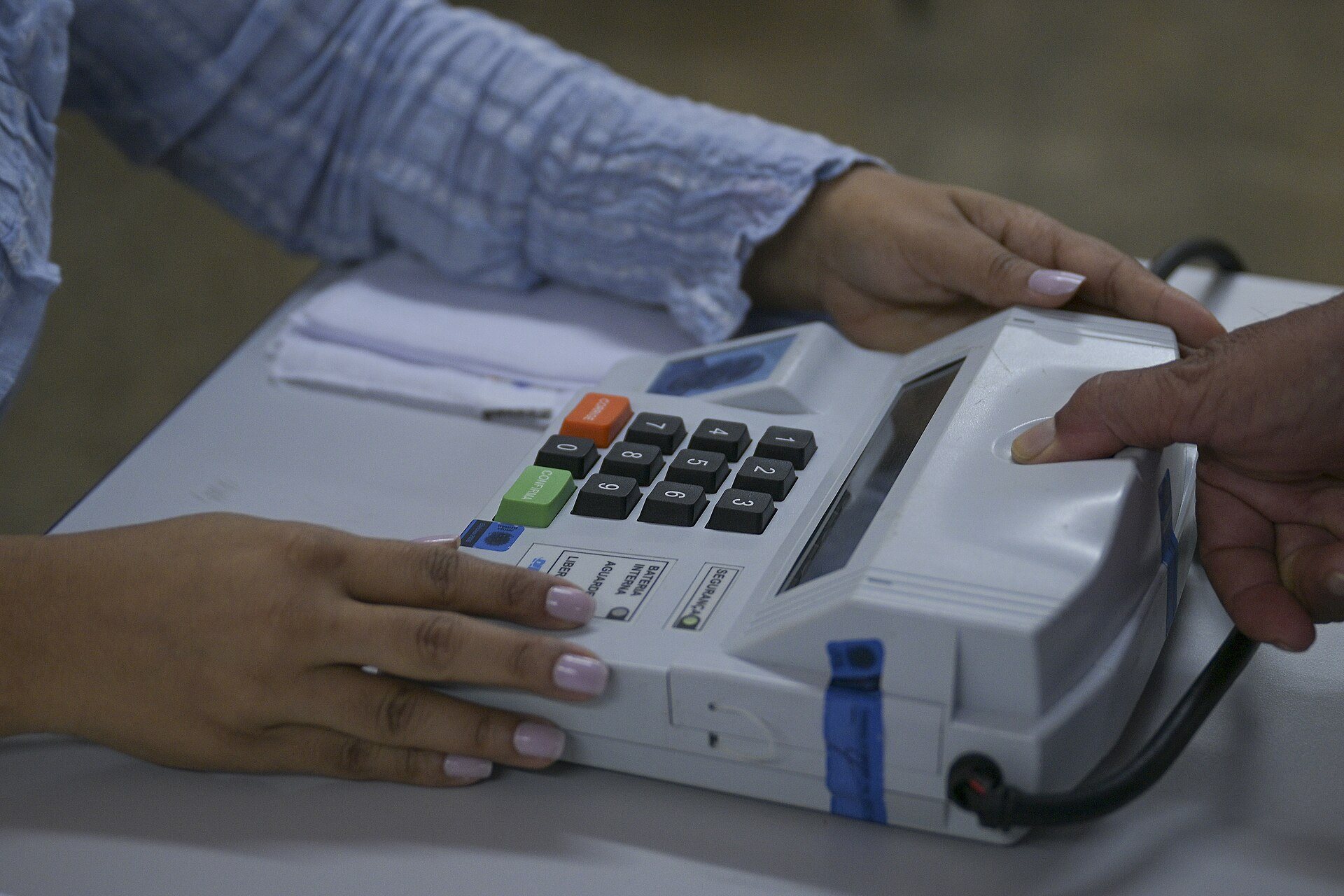
On October 19 the Supreme Court certified the JSP’s 78 seats, Hiiraan Online reported, saying no challenge to the vote was filed within the legal period and the commission’s documents met requirements. In Galmudug the court voided the first vote after a challenge. Turnout figures differ slightly: Hiiraan reports 114,633 ballots cast and 112,451 valid, FTL 112,466 valid, with 13 parties competing. I have not seen the court’s decision.
From oath to president
The 99 members took the oath at Jowhar on October 20, FTL Somalia reported. On the evening of October 22 the House elected Abdihakim Luqman Mohamed as Speaker, with Abdirahman Abdi Idow and Jama Ali Mohamud as deputies, according to a Shabelle report carried by allAfrica. No vote count is reported, and FTL spells the Speaker’s name differently. FTL gives the seats outside the JSP as Karaama 6, Iftiin Qaran 5 and Sincad 3.
On the vote itself, Dawan reports 98 of 99 members voting, with four ballots spoiled. Guudlaawe’s rival, Nur Ilmi Halane of the Ramaas political organization, took 13 votes. Afrah beat Abdifatah Bashi Mohamed 79 to 16 for vice president. FTL calls Afrah a former Hiiraan governor, and the current governor is Mohamed Hussein Mohamed.
The vote went ahead over an objection from inside the government. On October 23 or 24, according to different outlets, Dabageed said he would stay in office until an inclusive political agreement is reached, Hiiraan Online reported. He rejected the Jowhar election, accused President Hassan Sheikh Mohamud and his allies of trying to control it without broader consensus, and argued it broke both the federal and the Hirshabelle constitutions. On September 14, Raxanreeb quoted him saying he would not resign but would refuse to work with Guudlaawe if he won another term. With Afrah now elected vice president, there are two claimants to the post, and I could not settle how that will be resolved.
Some opposition-linked figures congratulated Guudlaawe. Dawan names Abdulkadir Osoble, a federal lawmaker of the Salvation Forum, and Mohamed Abukar Islow Duale, a former internal security minister, and says they urged reconciliation. Opposition figures from Hirshabelle’s own constituencies had said nothing, according to the same report. This repeats a pattern from Galmudug, where some opposition figures congratulated the winner, covered in a separate report.
The Hawadle dispute is sharpening
Three developments suggest the dispute is moving from politics to something harder. On October 18 the Hiiraan regional administration and Guudlaawe clashed over taxes. Governor Mohamed Hussein Mohamed called the arrangement “humiliating”, wanted “operational autonomy” for Hiiraan, and named Ceelgaal as the site for collecting entry and exit taxes, citing security and flood fears in Beledweyne, Kaab TV reported. On October 23 General Abdirahman Turyare, a former intelligence chief and Somalia’s envoy to the Islamic Military Counter-Terrorism Coalition, warned of “Ethiopia-style” armed factions in Hiiraan, Middle Shabelle and Bay that could ally with Al-Shabaab, the Somali Guardian reported. The same article says local reports put the former intelligence chief Sanbalolshe in Ferfer to receive Ethiopian military support, and a businessman, Abdullahi Mohamed Nur, planning a guerrilla force with alleged UAE backing. Both claims are unverified, and the government has not commented.
On October 25 the Somali Guardian reported that Sanbalolshe, who is Hawadle, said in an interview with Gaylan Media that the Hawadle intend to form a new regional administration in Hiiraan after being denied the Hirshabelle presidency. He said this could become armed resistance, and the Guardian says he did not rule out cooperating with Al-Shabaab to remove Hassan Sheikh, it reported. FTL and Kaab report his other claims but not those two lines, and I could not see the interview, so I treat them as unconfirmed. They are the first statements by a named Hawadle figure about what the clan might do next.
Whether a reported Al-Shabaab deal with Hawadle elders has already been struck is a separate question, covered here.
Could it have gone differently?
The president could have honoured the understanding Dabageed describes, or told the Hawadle plainly that it would not hold, before anyone took a registration site by force. The commission could have published polling-station results and the registration count for each Hiiraan district, which would have given a challenge something to work with. And the elders who rejected the process could have taken their case to the court, which is what made Galmudug different. The best case for the other side is that the commission ran a vote under curfews, the court certified it, and a clan negotiation is not an electoral defect. That is fair on the paper trail. But the people rejecting it are not rejecting the paper trail.
I found no petition against the vote, though Kaab notes that its validity can only be tested by a formal complaint to the competent court. Whether the Hawadle leaders who rejected the process, and the Macawisley fighters who held registration sites in September, accept a result they called predetermined has not been reported.
On Saturday, two gatherings were held in two parts of Hirshabelle. One ended with a count. The other has not announced what it decided, and the state’s stability depends on its answer.
Comments
Every comment is read by a person before it appears, so yours will not show straight away. We publish comments that are civil and on the subject. To report a mistake in the piece, use the corrections page, so it is fixed in the piece itself.