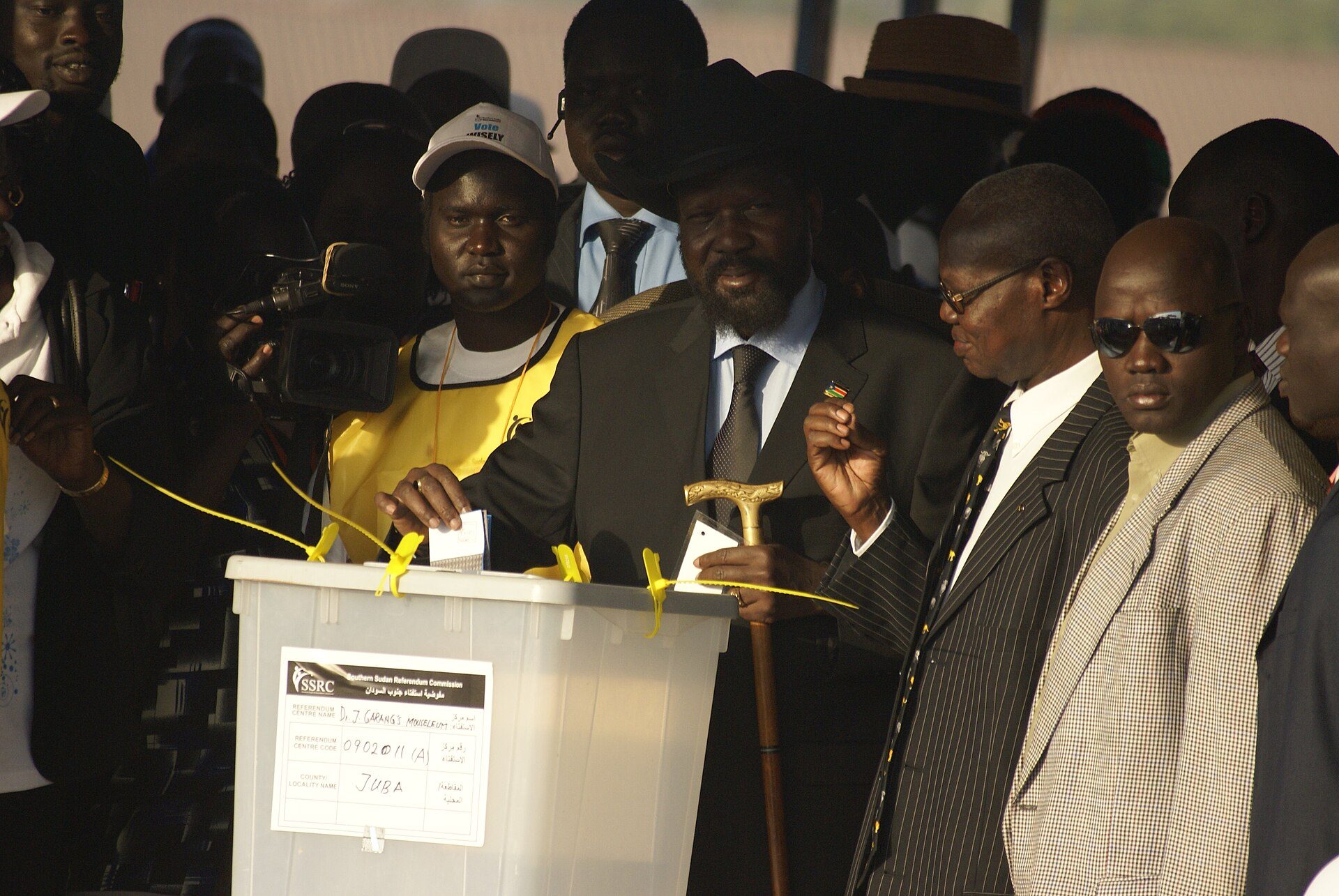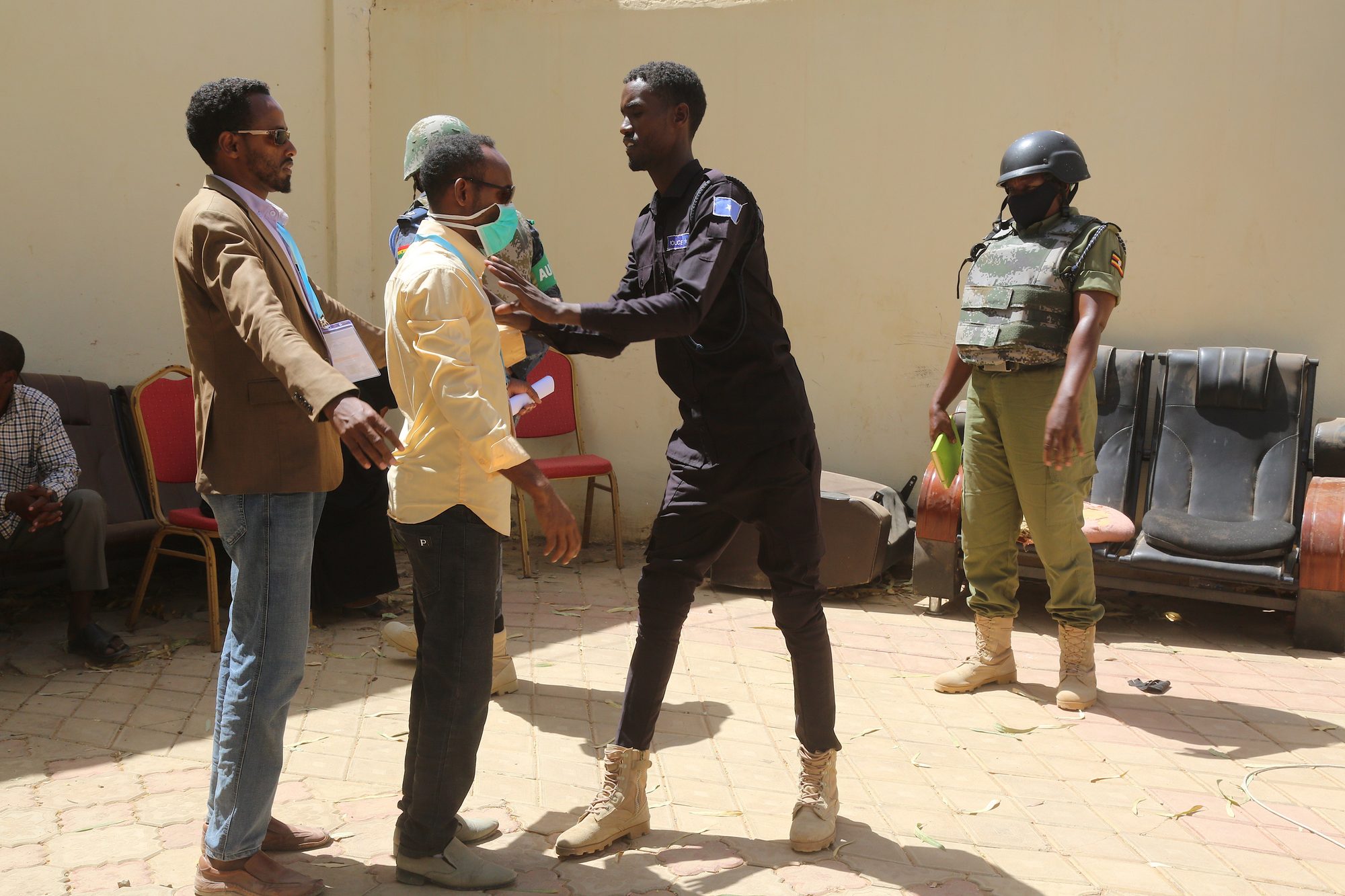
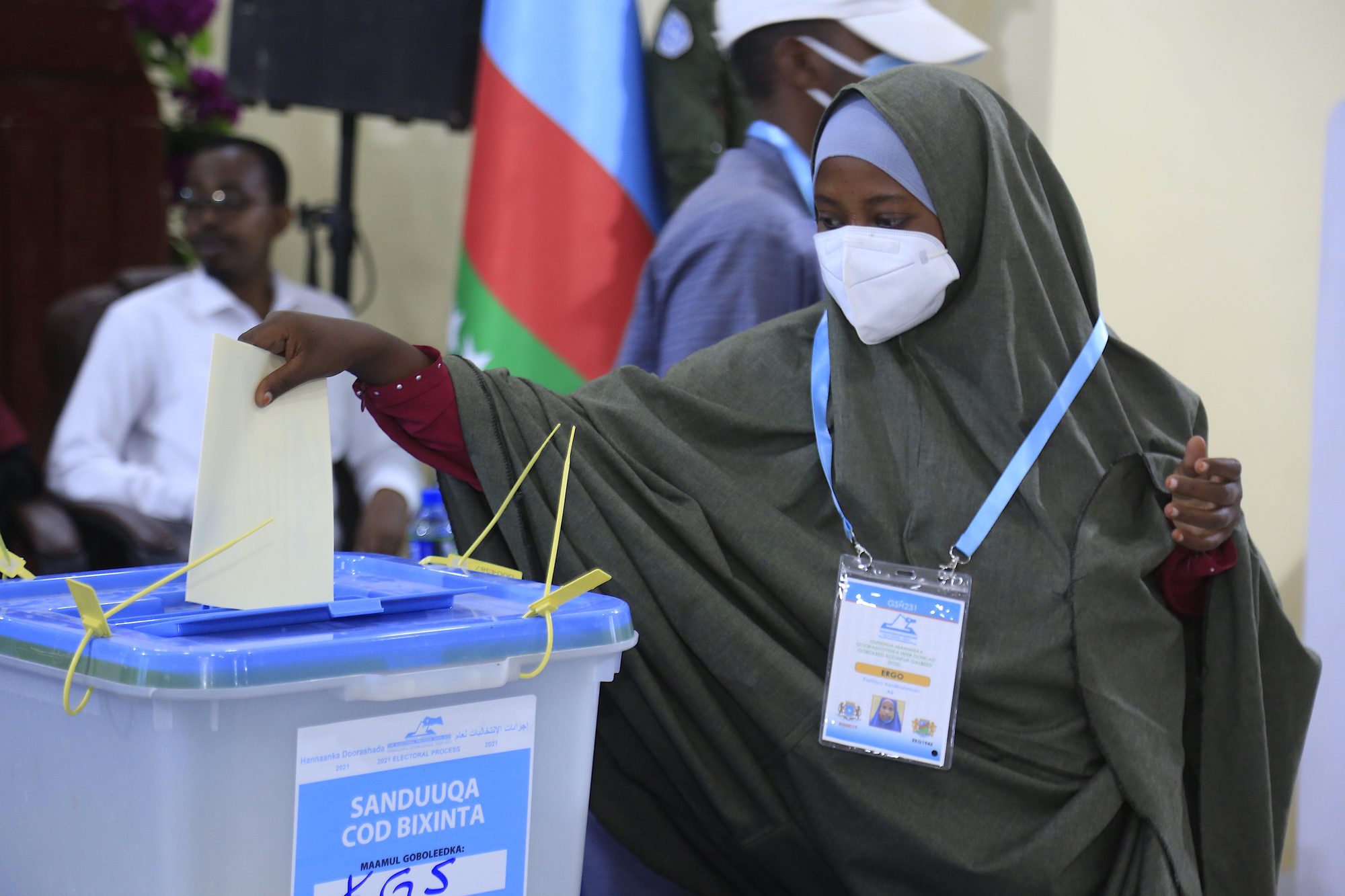
Galmudug went back to the polls on Wednesday, September 30, following a successful legal challenge by Towfiiq, the party now missing from the ballot.
Towfiiq, the state’s main opposition force, filed the petition that led the Supreme Court to void the July 30 elections. When the electoral commission published the list of parties for the rerun, Towfiiq was missing.
Two presidents, two exits
Galmudug is one of three states where President Hassan Sheikh Mohamud’s government has pressed hard on who governs. South West’s president, Abdiaziz Laftagareen, defied Villa Somalia and held his own re-election on March 28. Federal troops took Baidoa within 48 hours of his vote. He resigned that day and fled to Nairobi.
Galmudug’s president, Ahmed Abdi Kariye, known as Qoor Qoor, left more quietly. On June 25 he said he would not seek re-election, after talks involving the intelligence chief and the prime minister. Three days later the ruling party named Liibaan Shuluq, a businessman who had never run for office, as its sole candidate. I traced both exits in my September 3 investigation.
Galmudug’s version then ran into something South West’s never did: a court.
How the court threw it out
Towfiiq’s petition went to a five-judge bench led by Chief Justice Bashe Yusuf Ahmed. It heard argument over three days, August 17 to 19, and ruled on August 24. The commission, NIEBC, fought the case and asked the court to confirm the results. The court refused. It was the first annulment of Galmudug results since direct voting began, according to allAfrica.
The 23-page judgment went through the process stage by stage. The commission had moved polling day from July 20 to July 25 and then to July 30. The court said that left too little time for parties, candidates and voters. Registration was still running two days before the vote. Party representatives were turned away from some polling stations. Voter cards were short or irregular. The court called the violations substantial, not technical, and said failures at different stages can add up and destroy confidence in the result.
It ordered fresh elections for the state House of Representatives and local councils, and told the current institutions to stay in office until replacements are elected. It gave no date.
The first count
The commission had given the ruling Justice and Solidarity Party (JSP) 63 of 89 assembly seats and Towfiiq 12. Towfiiq said its own agents recorded different numbers and published a tally of 47 seats. The court did not decide who won. It ruled on how the vote was run.
What changed in the rerun
The calendar is fixed. The commission published the timetable at the start of September, about 30 days before polling. It marked polling centres on September 10. Parties had to submit their polling-station representatives by September 22. Representatives and observers were accredited on September 26. Directly addressing the court’s findings on barred party agents, the commission has introduced a dated accreditation step. Crucially, the electoral body accepted the ruling publicly without attempt to stall.
What did not change
The referee. NIEBC ran the July vote, defended it in court, and organised the rerun. According to one outlet, the court attached no outside supervisor to enforce its standards. I could not confirm that independently.
The voter list. The commission said 270,737 people registered for July, and the same register is being used again. The court did not declare the register invalid. It said the commission had not shown full compliance with the procedures around it. By reusing the original register, the rerun effectively starts from the list the court said the commission had not shown it handled properly.
The notice. The court faulted July’s timetable for leaving too little preparation time. The rerun gave about 30 days. Whether that meets the legal minimum depends on the full text of the judgment.
The date. The commission chose it. It picked September 30, the same day Hirshabelle votes, and ran two states at once. One local outlet questioned its capacity to do that.
The party that won the case
The commission says Towfiiq missed the September 12 deadline to submit candidates. Towfiiq says the commission already held its lists, that it learned of the exclusion from social media, and that the move is punishment for suing. It asked the commission to reverse the decision on September 27 and had no answer as of that day. The crux of the dispute hinges on whether Towfiiq’s list reached the commission on time—a detail the published record fails to clarify.
Towfiiq’s support is concentrated in Dhusamareb and Guriceel.
On Wednesday Shuluq, the JSP’s candidate for the state’s top job, voted in Galkayo and praised the long queues. He had accepted the court’s ruling in August.
The test
While the court corrected the paperwork, it left the machinery of the election untouched; the same body administers the vote, the same hands count it, and the same register stands. The suing party remains excluded. This pattern mirrors the thesis of The Guarantee: the ballot box is open, but the political field is narrowed.
Moving forward, two factors demand attention: the final result, and whether the commission publishes station-by-station returns. The latter would allow Towfiiq and others to cross-reference official numbers with their agents’ sheets—the exact point of contention back in July.
Results had not been announced when this report was written.
Read the companion report: Hirshabelle Watched Galmudug’s Election Get Thrown Out, Then Voted With Its President on the Ruling Party’s Ticket.