
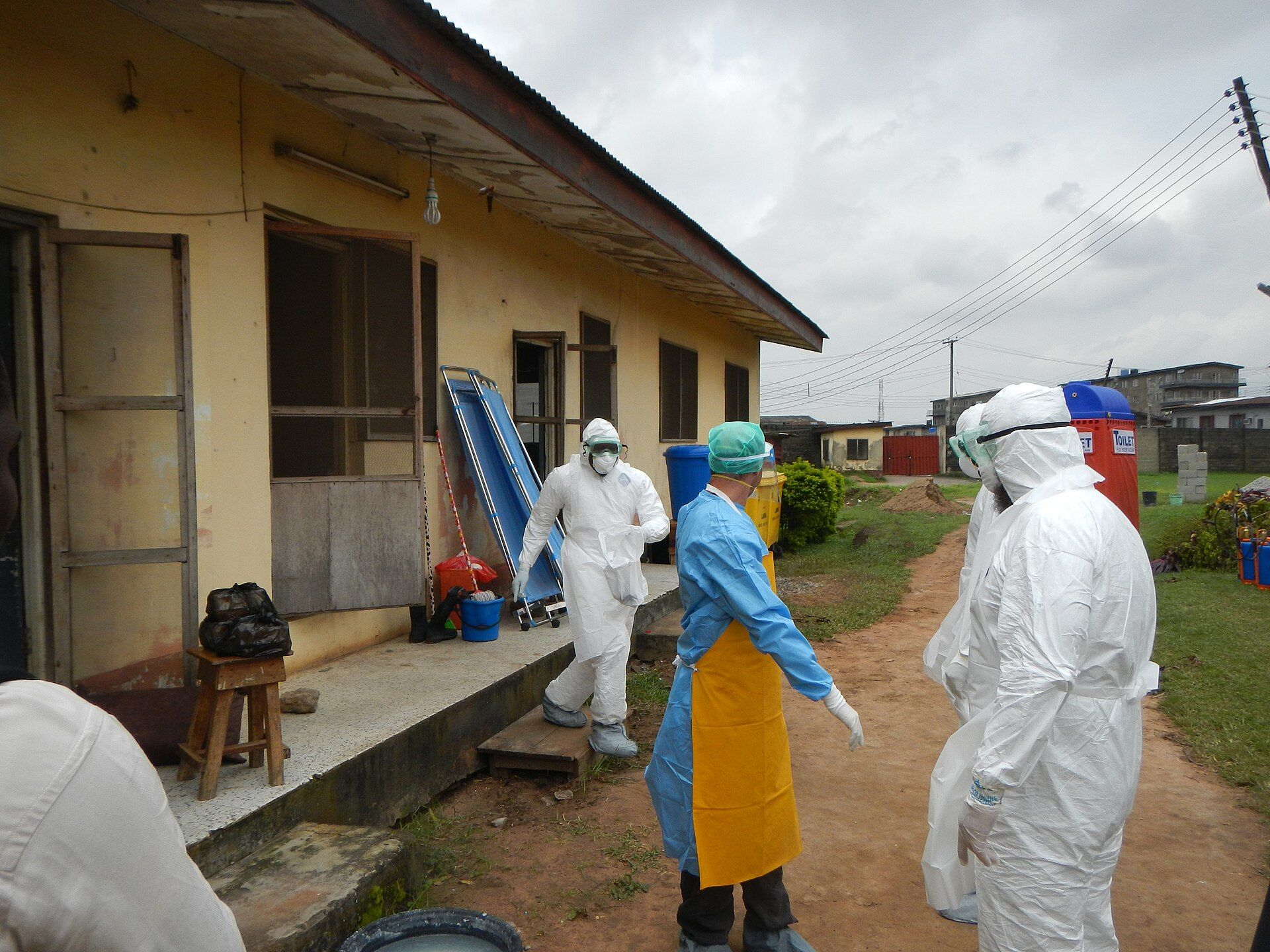
On the morning of Monday, October 26, the woman at the centre of Nigeria’s first Ebola case in 12 years left Abuja for Switzerland, with her husband beside her, Health Minister Muhammad Ali Pate said on X, Channels Television reported. He described her as clinically much improved, conscious and communicating, and warned: “This does not mean she is not still infectious.” Her husband has shown no symptoms.
Three weeks earlier, on October 3, she had flown back into Abuja through Addis Ababa after about two and a half weeks in Uganda, Premium Times reported, citing the minister. By October 6 or 7, depending on which official account is right, she had a fever, diarrhoea, body aches and a sore throat, according to the Nigeria Centre for Disease Control and Prevention (NCDC). She went to a private hospital, thinking it was malaria, Africa CDC’s director general has said. She was admitted to a second on October 11. The NCDC says it was told on October 19, and the laboratory confirmed Bundibugyo virus on October 20. By Sunday the agency was following 53 contacts, health workers among them, Channels reported.
I could not find the aircraft, the route or the hour of her departure, and I do not add them. What the record does contain is a gap. Counting from the first symptoms to the test, she was ill for 12 or 13 days, depending on which official date is right. My argument is that this gap, and not the border, decides how far an outbreak like this goes, and that the public still cannot see how long it was.
Why the border was never the answer
A border check would not have caught her. Officials do not believe she was showing symptoms on the flight, and the WHO advises that no country should close its borders or restrict travel and trade. Uganda’s director general of health services said she “did not exhibit symptoms at the time of departure”, Premium Times reported; Uganda says it remains Ebola-free and has barred travellers with a Congo travel history from transiting. Once a case is inside a country, the hospital is the checkpoint, and the days before it knows what it is treating are the dangerous ones.
The outbreak began in Congo and was declared in mid-May. The WHO named it a public health emergency of international concern on May 17. It is caused by the Bundibugyo virus, for which there is no vaccine or specific treatment. The US Centers for Disease Control and Prevention’s count for October 23 shows 9,816 confirmed cases and 4,757 deaths in Congo. WHO’s Disease Outbreak News 622, with data to October 20, puts the fatality rate at 48.3 percent, and the European Centre for Disease Prevention and Control calls it the second-largest Ebola epidemic on record.
The WHO counts Nigeria as the fifth country to detect the virus in this outbreak, after Congo, Uganda, Kenya and France. Uganda had 20 confirmed cases and declared its outbreak over in the summer. France confirmed one case on June 24, in a humanitarian doctor returning from Congo, who recovered. Five countries is not a record. The 2014–16 outbreak in West Africa reached ten, and killed about 11,300 of its roughly 28,600 cases in CDC’s counts. Nigeria is the first West African country to report a case in this one, and the most populous country affected.
Kenya shows what comes after arrival
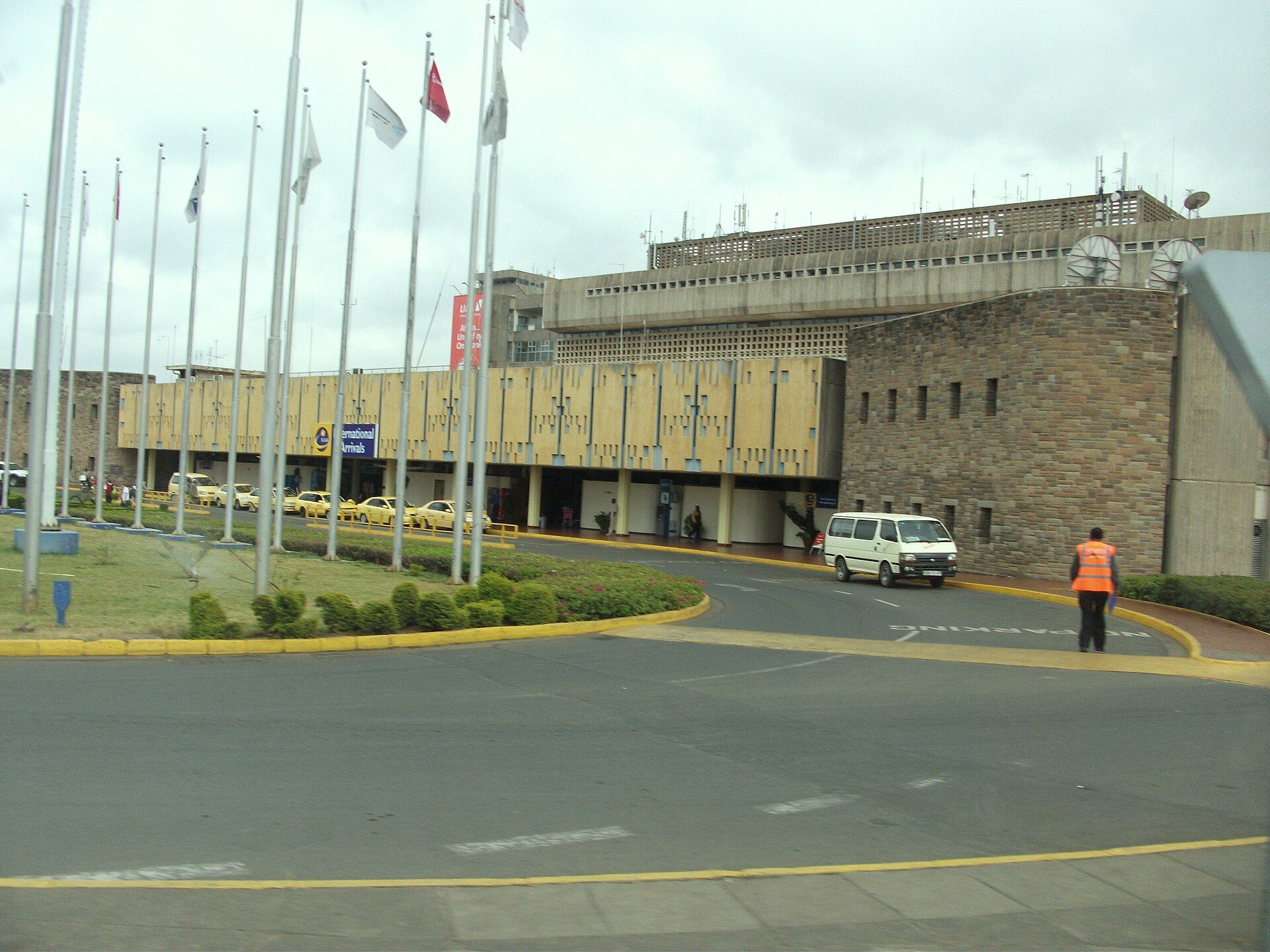
Kenya’s first patient had been ill in Congo for a month before he flew to Nairobi on October 3, and he died on October 5, apparently without being stopped by entry screening. The WHO said it presumes he was infected in a health facility or community while seeking care for another illness. Health workers who treated him are among Kenya’s nine cases, the health ministry said, alongside relatives. Kenya’s third patient, a 65-year-old woman and a close relative of the first, died on October 23, Premium Times reported, so Kenya now has nine cases and two deaths, with seven patients in treatment at two isolation facilities.
What the Abuja accounts say
Health Minister Pate announced the Abuja case on October 20. The government said the patient began to feel ill on October 7 and sought care at a private hospital on October 11. The NCDC’s situation report of October 24 says she returned on October 3, had symptoms about October 7, attended a private facility on October 10, was admitted at a second on October 11, and that the agency was notified on October 19 and the case confirmed on October 20. Premium Times quotes officials on October 21 to 25 giving October 6 for the start of symptoms. Pate has said confirmation came within 24 hours of the sample. These are not the same timeline. With an October 6 start and an October 19 notice, the gap is 13 days. With October 7, it is 12. Ayoade Alakija, a Nigerian physician, put it at twelve.
Other details do not fit either. On October 23 Switzerland’s foreign ministry said she is the wife of a member of staff at its embassy, that neither of them had been to Congo, and that she had been in a private Abuja clinic for about a week. NCDC officials describe her as a 42-year-old Ugandan-born woman. Her nationality is contested, and so is the label that was first used for her. Africa CDC and BusinessDay called her a diplomat’s wife. I use neutral wording. The aviation minister has barred 46 people from flying for 21 days, a separate list from the contacts.
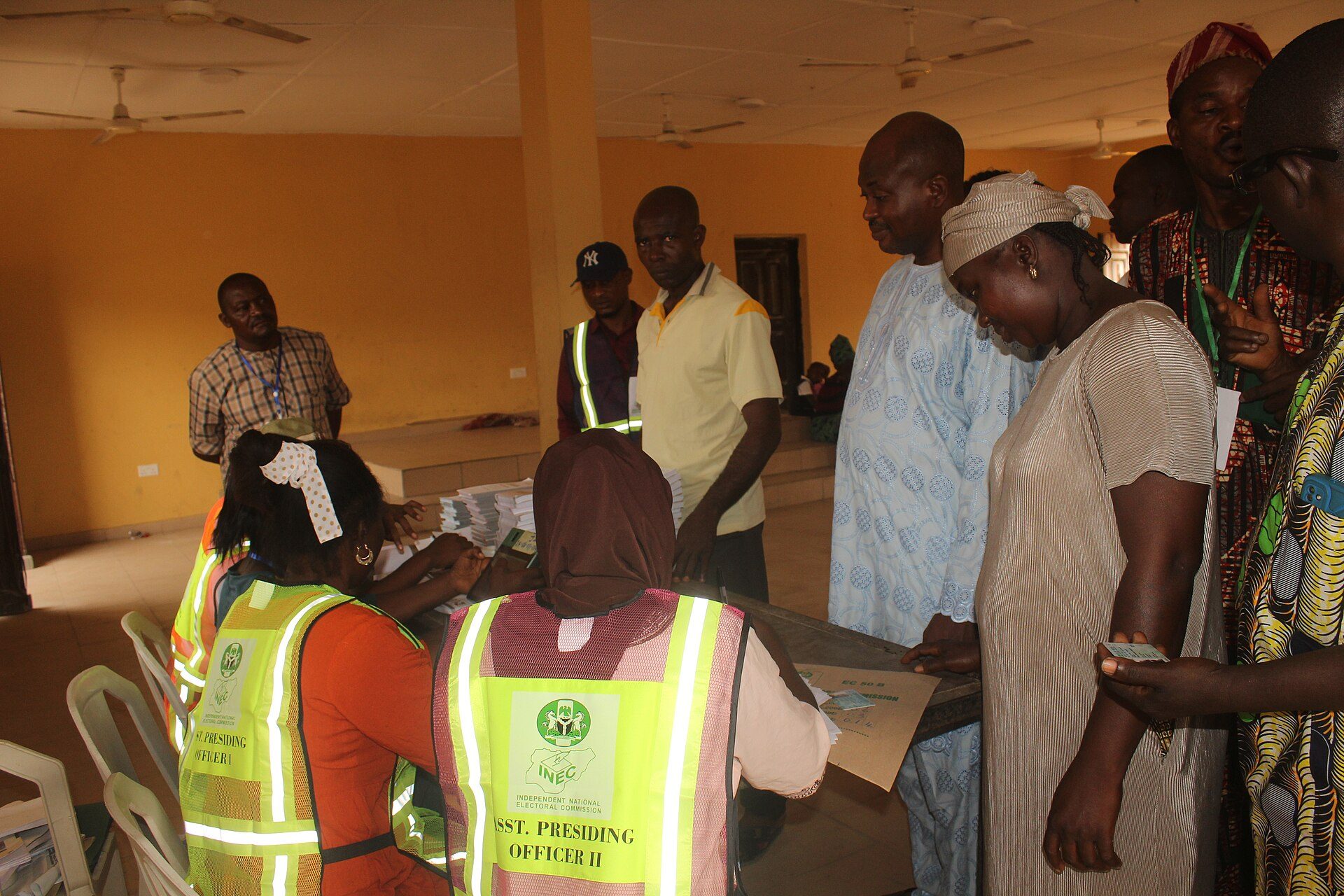
The contact count has grown. On Sunday the NCDC’s director general, Jide Idris, said there are 53 primary contacts, not 44: 44 come from the treating facility, and nine more are the driver, a chef and her husband, three people who attended her at a clinic before she was transferred, and three on the sample-collection team. None had tested positive or shown symptoms. She tested positive in three samples, and her husband tested negative. In Abuja that is a risk, not yet a spread. The agency also reversed an earlier narrowing of its health-declaration rule for international travellers and widened it again, Premium Times reported.
Nobody yet knows where she caught it. Pate said on October 23 that sequencing by the NCDC and Redeemer’s University shows her virus differs from Kenya’s first case by only a single mutation, and he said that does not prove she was infected in Kenya. Africa CDC says both she and Kenya’s first patient left Entebbe on October 3 and is investigating whether they met. Uganda has asked Nigeria for her travel records and the sequencing data. Switzerland says it believes she caught the virus in Uganda. The WHO and Africa CDC say they have no confirmed information that she travelled to Congo.
Could it have gone differently?
In 2014 the first patient flew from Liberia by way of Lomé and was admitted to a private Lagos hospital on July 20. He died on July 25. CDC found that 12 of the 20 people eventually infected were exposed in two health facilities. Nigeria traced 894 contacts through about 18,500 face-to-face visits and stopped the outbreak at 20 cases and eight deaths. It was a success of speed after the diagnosis, in an outbreak that began where nobody was looking for Ebola. On October 20, 2014, the WHO had declared Nigeria free of that outbreak, twelve years to the day before this year’s case was announced.
The lesson then and now is the hospital. A traveller arrives well, falls ill, and goes to a place where early Ebola can look like malaria. If nobody asks where she has been, nobody wears the right protection, and the staff caring for her are exposed. The question that matters is the one on the intake form, and in Abuja the test came only after officials learned of her Uganda trip. I do not know that it was asked late, but the accounts leave that open.
That is why the number to watch is not the case count but the days between a patient’s first symptoms and a confirmed test. It says more about how well a system is working than any total, and I did not find any country publishing it. Africa CDC is holding an extraordinary virtual meeting of African health ministers on October 28, and that is the place to ask for it.
Comments
Every comment is read by a person before it appears, so yours will not show straight away. We publish comments that are civil and on the subject. To report a mistake in the piece, use the corrections page, so it is fixed in the piece itself.