Kenya has its first confirmed Ebola case, and the patient has died. Health Cabinet Secretary Aden Duale told reporters on Tuesday, October 6, that a man who had lived and worked in the Democratic Republic of Congo for seven years died in Nairobi at 11:30 pm on Monday. Tests found the Bundibugyo strain. There is no approved vaccine or treatment for it.
What the ministry says happened
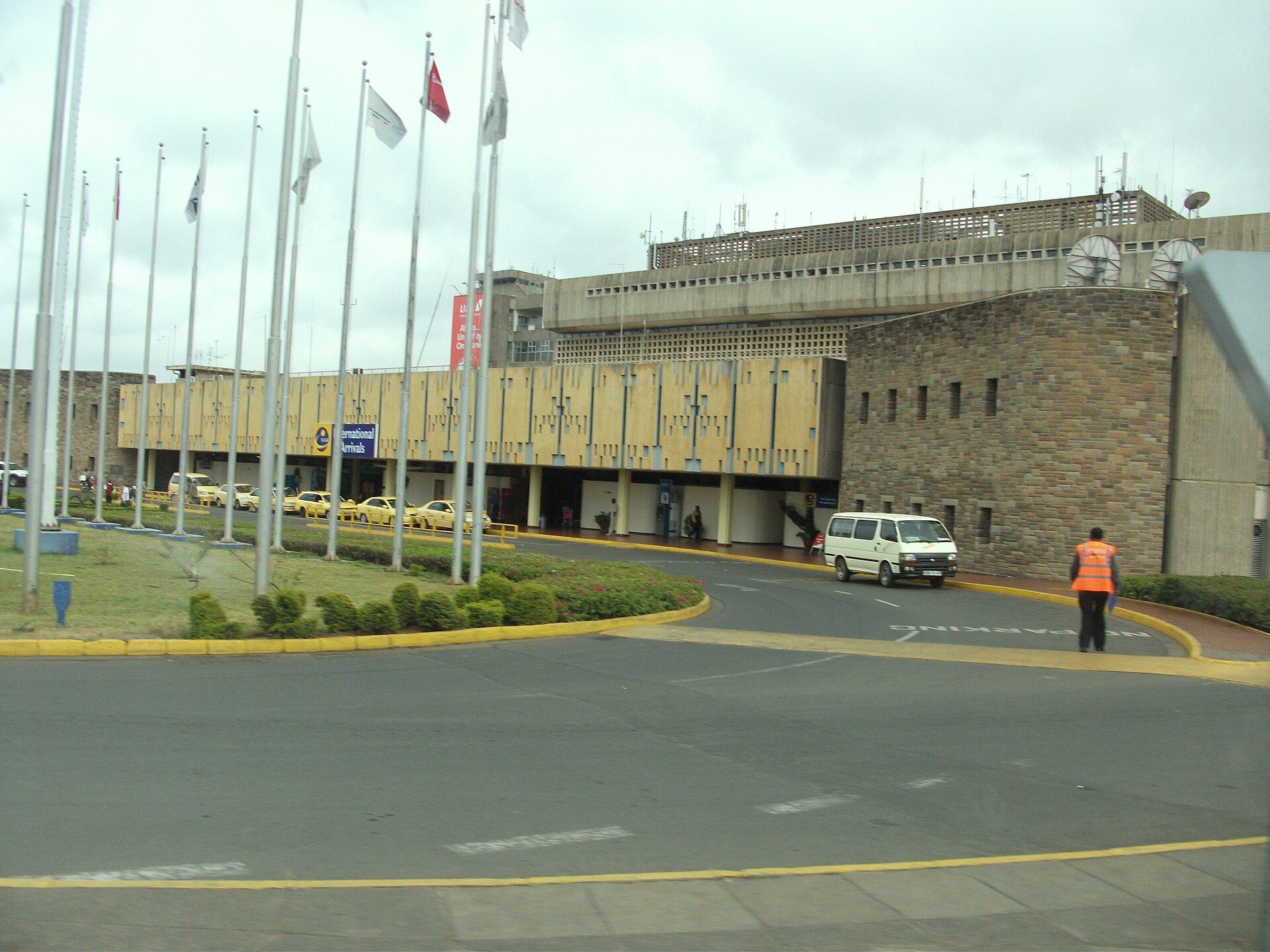
Reported. According to Duale, the man fell ill about a month ago in Congo and was treated at several hospitals there. He then went by road to Uganda and took a Jambojet flight to Nairobi, landing at Jomo Kenyatta International Airport at 1:10 pm on Saturday, October 3. The ministry says he went through routine screening at the airport, then immigration, and was taken to The Nairobi Hospital.
By then he had fever, chills, deep fatigue, muscle pain, trouble swallowing and bleeding under the skin, the ministry said. Samples came back positive at the National Virology Reference Laboratory and at the Kenya Medical Research Institute (KEMRI).
Counting from the ministry’s times, he died about 58 hours after landing. Forbes reaches the same figure and gives the flight as Jambojet JM 8523 from Entebbe.
Who is being traced
Reported. Duale said 28 contacts have been identified, among them relatives and health workers who looked after the man. The 23 passengers and 4 crew on his flight are being traced separately. Al Jazeera reported that contacts will be isolated for 21 days and released if they test negative.
The ministry added that it has trained 4,971 health workers on Ebola and has told the World Health Organization.
Not the first scare, but the first confirmed case
Reported. Kenya has tested suspected cases before in this outbreak, and every earlier one came back negative. On May 21, Duale said three travellers from Congo who showed symptoms had tested negative, as had four people with them. By June 5, 56 samples from people who had travelled to Congo or Uganda had tested negative, according to the Standard, and more than 80,000 travellers had been screened. Duale said that day that Kenya had not reported any confirmed case.
That is why this week’s announcement is described as Kenya’s first. We found no earlier confirmed Ebola case in Kenya in the coverage we checked.
Where the reports don’t match
- Age and home town. ABC News says he was 40 and from Buta, in north-western Congo. We didn’t find that in the ministry’s announcement.
- Route. The Rio Times says he reached Kampala via Beni on October 2. Beni is in North Kivu, a long way from Buta. We couldn’t square the two.
- Who took him to hospital. Some outlets say relatives, others a friend.
- Screening. The ministry mentions screening at the Nairobi airport. Forbes says he also cleared screening and immigration at Entebbe. We couldn’t confirm that part ourselves.
How Ebola got here
Confirmed. Ebola was first identified in 1976, when two outbreaks broke out at about the same time: one in Nzara, in what is now South Sudan, and one in Yambuku, in Congo. The disease takes its name from the Ebola River near Yambuku, according to the World Health Organization. The US Centers for Disease Control and Prevention lists 318 cases and 280 deaths in Congo that year, and 284 cases and 151 deaths in Sudan.
The Bundibugyo strain behind this outbreak is the most recently identified of the three that cause major outbreaks. It was first found in Uganda in 2007, the WHO says. The CDC puts its fatality rate at roughly 30 percent, lower than the Ebola virus that drove the 2014 to 2016 epidemic in West Africa, which recorded 28,610 cases and 11,308 deaths. Approved vaccines and treatments exist only for Ebola virus itself, so none covers Bundibugyo, the WHO says.
The wider outbreak
Reported. Congo’s health ministry put the toll at 8,300 confirmed cases and 4,018 deaths across seven provinces, in figures released on October 1 and 2. Forbes quotes higher numbers, 8,854 cases and 4,114 deaths as of October 3, but doesn’t say where they come from. The outbreak was declared on May 15, and on these counts it is the largest Congo has recorded.
The World Health Organization’s July 3 report listed Congo, Uganda and France as affected, and advised against restricting travel to or trade with Congo or Uganda. People Daily reported on July 28 that Uganda had declared its own outbreak over, after 20 cases and 2 deaths. If no other country has been added since the July report, Kenya is the fourth. We haven’t confirmed that.
What we do not know
- How sick the man looked at the airport, and what the screening involved.
- Where in Congo he caught the virus, and how he crossed the border. The ministry hasn’t said.
- Whether Uganda has been told, and what it is doing. We found no Ugandan statement.
- Whether any of the 28 contacts or the people on the flight has symptoms. None has been reported.
- How the health workers who treated him were protected.
- Whether the ministry will release his age, home town and travel documents.
Why it matters
Kenya set up an Ebola preparedness taskforce in July, People Daily reported, and promised tighter checks at entry points. This is the first confirmed case to reach the country. ABC quoted Duale saying all systems are in place to limit the spread. The 21-day monitoring period will show whether that holds. We will update this report when the ministry, the WHO or Uganda says more.