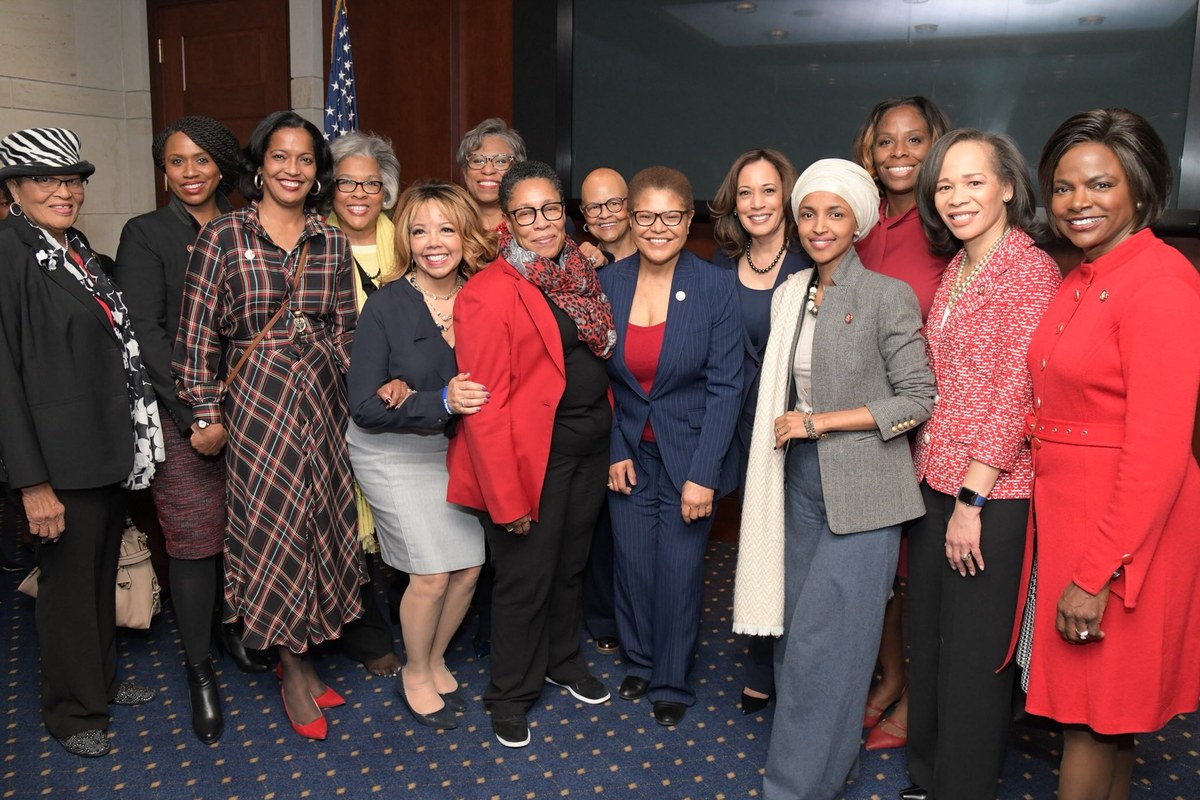
Rick Jackson spent more than $200 million of his own money trying to become governor of Georgia. On Tuesday night he conceded, saying the voters had spoken and that he respected their decision, Fox 5 Atlanta reported. In Atlanta, the winner, Keisha Lance Bottoms, a former mayor of the city, told her supporters that the win was for the caregiver who cannot afford health care, and that she would be a governor for everyone in the state. Georgia had never elected a woman governor. Bottoms is the first Black woman elected governor of any state, and the first Democrat to win Georgia’s governorship since 1998.
Her win was one of several on a night the Washington Post, citing the Associated Press, summed up in two lines. Women will lead more states as governors, and represent more congressional districts, than at any time in American history come January, as Political Wire relayed. And for the first time, more than 100 Democratic women will serve in the House. The first half of that claim holds on the numbers called so far. The second half is likely but not yet certain. Underneath both sits a fact the headline leaves out: the record is a Democratic one, and Republican women are the ones who lost ground.
Governors: at least 17, and four first-time states
The Center for American Women and Politics at Rutgers, known as CAWP, counts 15 women who won governors’ races on Tuesday. Add two women whose seats were not up this year and at least 17 women will be governors in 2027, 14 Democrats and three Republicans. The previous record was 14, set in 2025. The previous record for Democratic women was 10. No woman governor who sought another term lost, and the count could still rise or fall: the races in Alaska and Kansas were too close to call when CAWP last updated, and one woman from each party is in them.
Four states elected a woman governor for the first time. In Georgia it is Bottoms. In Minnesota it is Amy Klobuchar, in Tennessee Republican Marsha Blackburn, and in Ohio Democrat Amy Acton, who is the first woman elected to the job there. A woman, Nancy Hollister, held the office briefly in 1998 and 1999 when the governor left, which is why CAWP says “first woman elected.” Fourteen states have still never had a woman governor.
Two of the firsts are firsts for women of color. Bottoms will be the first Black woman to serve as governor of any state. In New Mexico, Deb Haaland will be the first Native American woman governor, and she and her lieutenant governor, Stephanie Garcia Richard, form the first all-women-of-color ticket elected to lead a state. In Texas, Gina Hinojosa will be the state’s first Latina governor. Texas has had women governors before, so the first Latina is what is new.
There were also two states where both major-party nominees were women for the second election running, New Hampshire and Oregon in what ABC News reported was a first in American history. And in eight states next year, a woman will be governor and a woman will be lieutenant governor at the same time.
The House: 100 Democratic women, and one number still open
Before the election, 97 women were among the House Democrats, a record, and that count includes two nonvoting delegates, the Philadelphia Inquirer reported. Rep. Teresa Leger Fernández of New Mexico, who chairs the Democratic Women’s Caucus, said in early October she was confident the party would pass 100. CAWP’s count, updated at 2:40 p.m. Eastern, has Democratic women at at least 105 in the House, up from a record of 95 set in 2025. Ms. Magazine put the number at 104 earlier on Wednesday afternoon. The counts differ a little by outlet and by hour, because CAWP and the others stop counting at different times and some races are still open. All of them are above 100.
Democratic women are responsible for at least 10 of the seats Democrats flipped, according to CAWP. Women backed by EMILY’s List, which helps elect Democratic women who support abortion rights, made up a majority of the House races that could have gone either way, its president, Jessica Mackler, told the Inquirer. In a night when Democrats won both chambers, that put many of them on the winning side.
The Post’s other claim, that women will represent more districts than ever, is the part that is not settled. The record for women in the House overall is 127, set in 2024, and CAWP counted 121 women as winners at 2:40 p.m. Eastern, with 44 more women in 35 races still too close to call. CAWP says a new high is “very likely” because 15 women, 12 Democrats and three Republicans, lead their races by a point or more. Women are also all but assured to win nine House races in which every candidate is a woman, so CAWP says they will at least match the 125 now in office. Very likely is not final, and the count in those 35 races decides it.
The women who lost ground
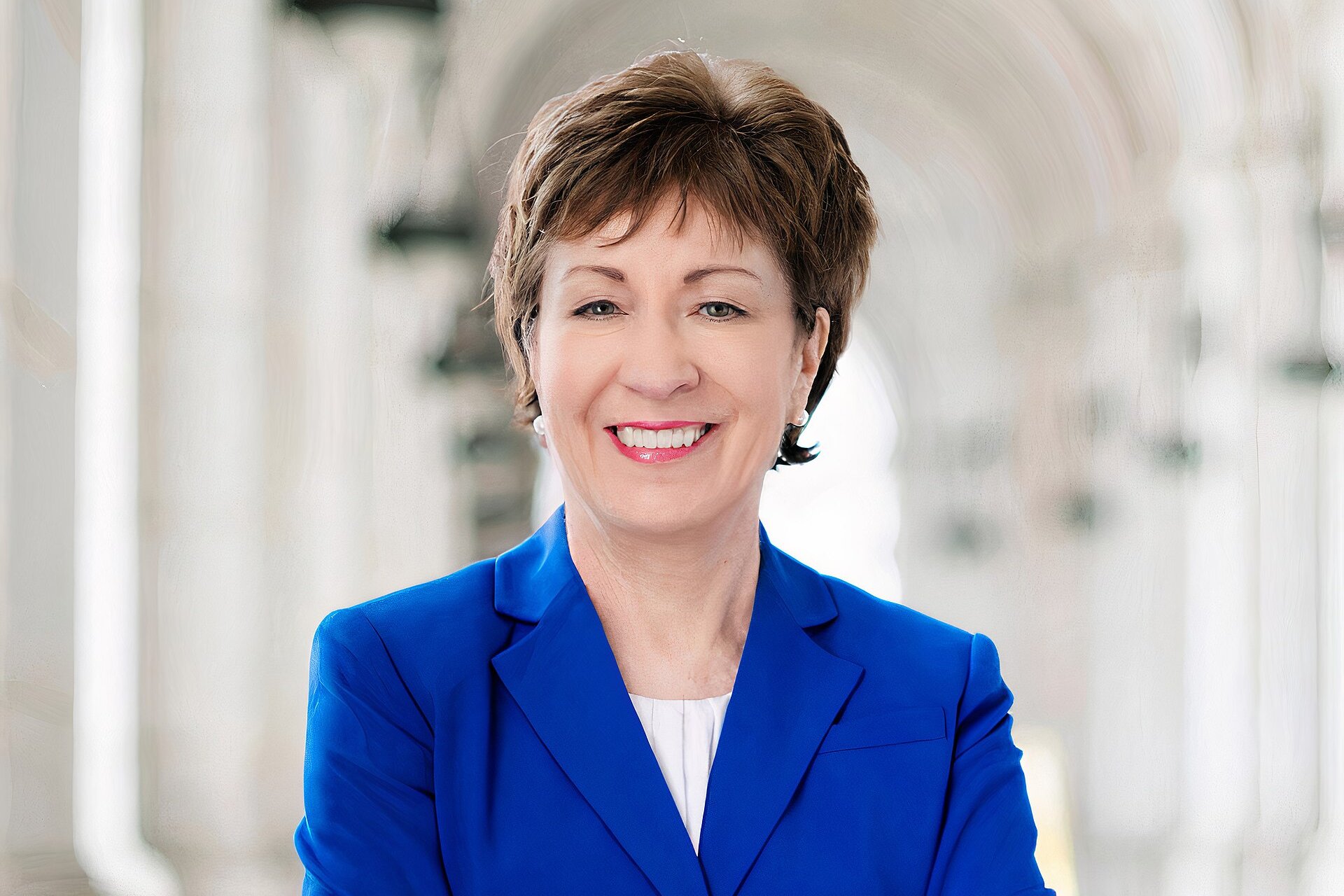
The record has a second column. In the Senate, women held 27 of 100 seats going into the election, a record. CAWP projects at least 23 in the next Congress, because two Republican women incumbents lost, including Sen. Susan Collins of Maine. Republican women in the Senate could fall from 11 to as few as seven. Peggy Flanagan of Minnesota will become the first Native American woman in the Senate, Juliana Stratton of Illinois will be the third Black woman in the Senate at the same time as Angela Alsobrooks and Lisa Blunt Rochester, and Annie Andrews of South Carolina is the first woman that state has elected to the Senate. Those are real gains, and all but one are Democrats’. The exception is Republican Julia Letlow, who will be the first Republican woman to serve in the Senate from Louisiana.
In the House, five Republican women incumbents lost in the general election, and CAWP counts 16 Republican women as winners so far against 30 now in office. Twelve more Republican women are in races still being counted. Even if all 12 won, the party would end with 28, two short of the 30 it has now. Across Congress, CAWP’s projection is at least 144 women in total, down from a record 152 now serving. Of the 46 women still in uncalled races, 13 are Republicans. If Republican women won every one of them, they would reach at most 36, short of the 41 they hold today. So the fall in their numbers is certain, and the open question is how large. The 19th reported that Iowa will send no Republican women to Congress next year.
Governors show the same split on a smaller scale. CAWP counts at least three Republican women governors in 2027, against four now, while Democratic women go from 10 to at least 14.
Why the record belongs to one party
The pattern is not an accident of one night. It reflects how many women each party sends into competitive races. Democratic women were about 45 percent of their party’s House members before the election, the Inquirer reported, while Republican women were about 15 percent of the Republican side, and the paper said six vulnerable Republican women would have to win for their party to hold its number. That is our reading of the numbers, not a finding from a study: women are a far bigger share of the Democrats in the House than of the Republicans, so a wave toward Democrats adds women faster than a wave toward Republicans would. This year the wave ran toward Democrats, and the women’s totals followed.
History says the gap is not new. Ms. Magazine noted that women of both parties served in Congress in roughly equal numbers in the early 1990s. Since the 1992 election, remembered as the Year of the Woman, Democratic women’s ranks have passed 100, while Republican women have never risen far above 40. A record count for “women” in a year like this one therefore tells you about the Democratic Party’s recruiting and its good night, and it says little about whether women are gaining ground in both parties.
That does not shrink what happened. Women who win competitive races change who holds power, and Black women are on track to hold at least 18 statewide executive offices, up from a record of 11. Seventeen governors is a record by any measure, and four of those seats are in states that had never elected one. What deserves a reader’s attention is what happens next. If Republican women’s numbers keep falling when the political wind shifts, the next record will depend on one party again, and the 2028 races will show whether the Republican bench recovers. For now, the accurate summary is in the data. More women will be governors than ever, more Democratic women will sit in the House than ever, women in Congress as a whole are projected at no fewer than 144, against 152 serving now, and nearly all of the growth is Democratic.
Comments
Every comment is read by a person before it appears, so yours will not show straight away. We publish comments that are civil and on the subject. To report a mistake in the piece, use the corrections page, so it is fixed in the piece itself.