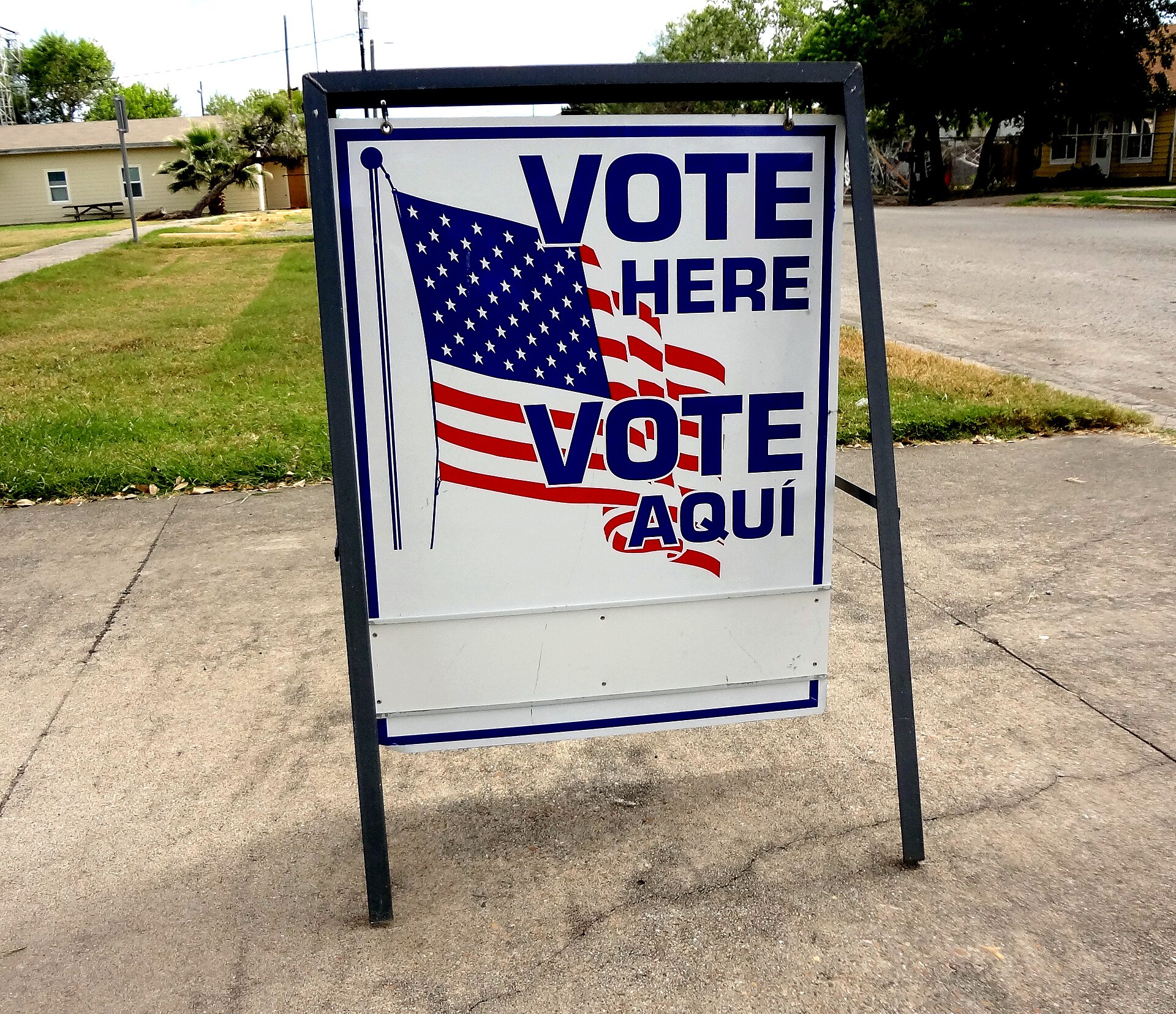
On Friday, 30 October, the commentator Laura Loomer posted a video on X of a man talking outside an early voting site in Columbus, Ohio. The man was Abdirizak Ahmed, an activist. Loomer said “foreign born Somalis” were politicking near the polls and asked whether they were in the country legally. She did not claim anyone had voted illegally. Antone White, who directs the Franklin County Board of Elections, told the fact-checking group NewsGuard that Ahmed was standing outside the 100-foot zone around polling places where campaigning is barred, which the county marks on the ground with a blue arc, Reason reported.
Three days later, at a rally in Swanton for Vivek Ramaswamy, Vice President JD Vance told the crowd that he had seen a story “just in the last couple of days” about “illegal immigrant Somalis” who were “coordinating to flood the polls and drown out your vote,” The New Republic reported. NewsGuard could not find any such story, and Reason reports that the closest thing was Loomer’s post. Noncitizens cannot vote in Ohio, even in local elections.
On Tuesday evening, at a polling place in Cedar-Riverside, the Minneapolis neighborhood where many Somali families live, poll managers said turnout was strong, CBS Minnesota reported. A voter, Mustafa Diriye, told CBS Minnesota that people who come from places without a voice do not take voting for granted, and that they teach their children to “get up and vote.”
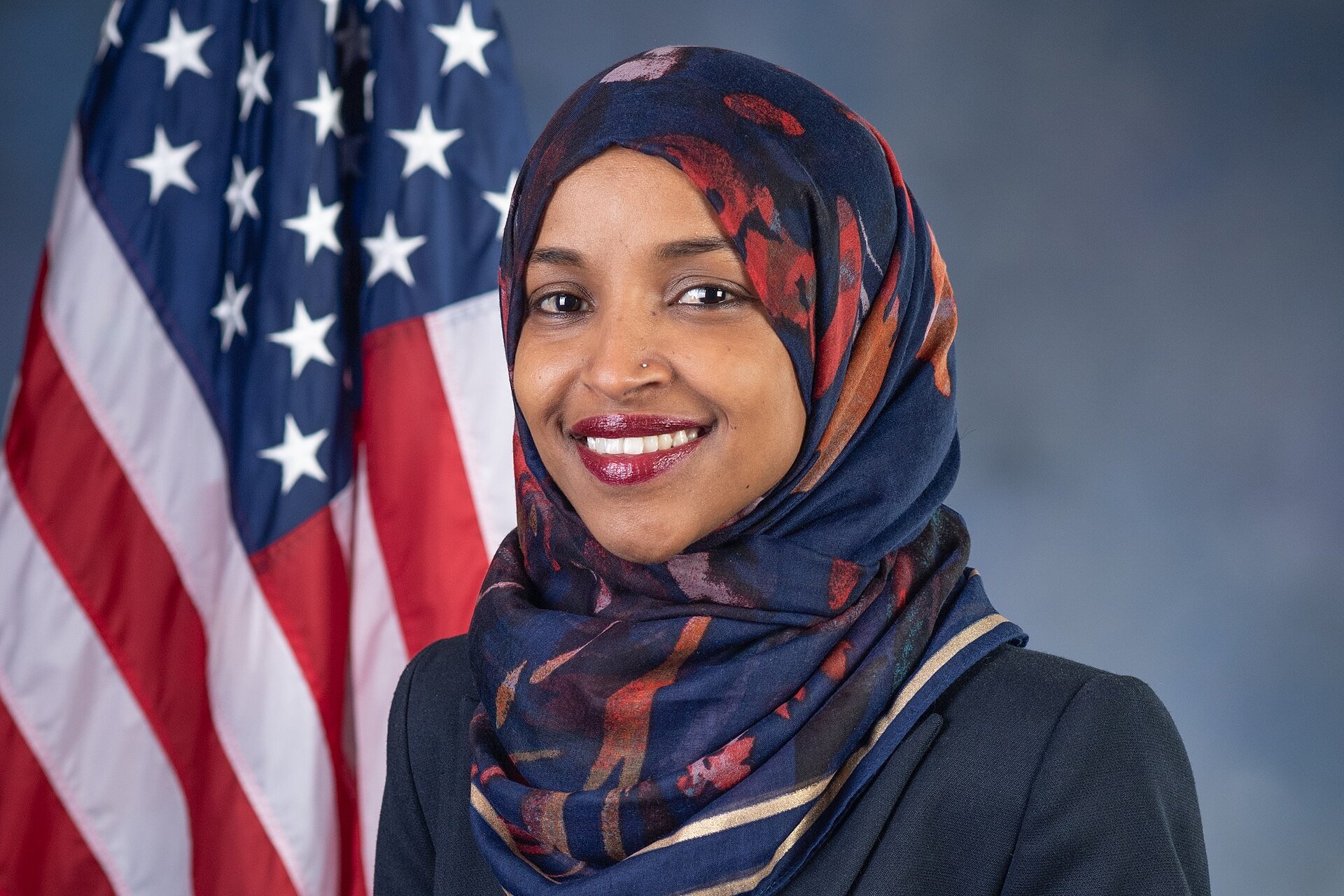
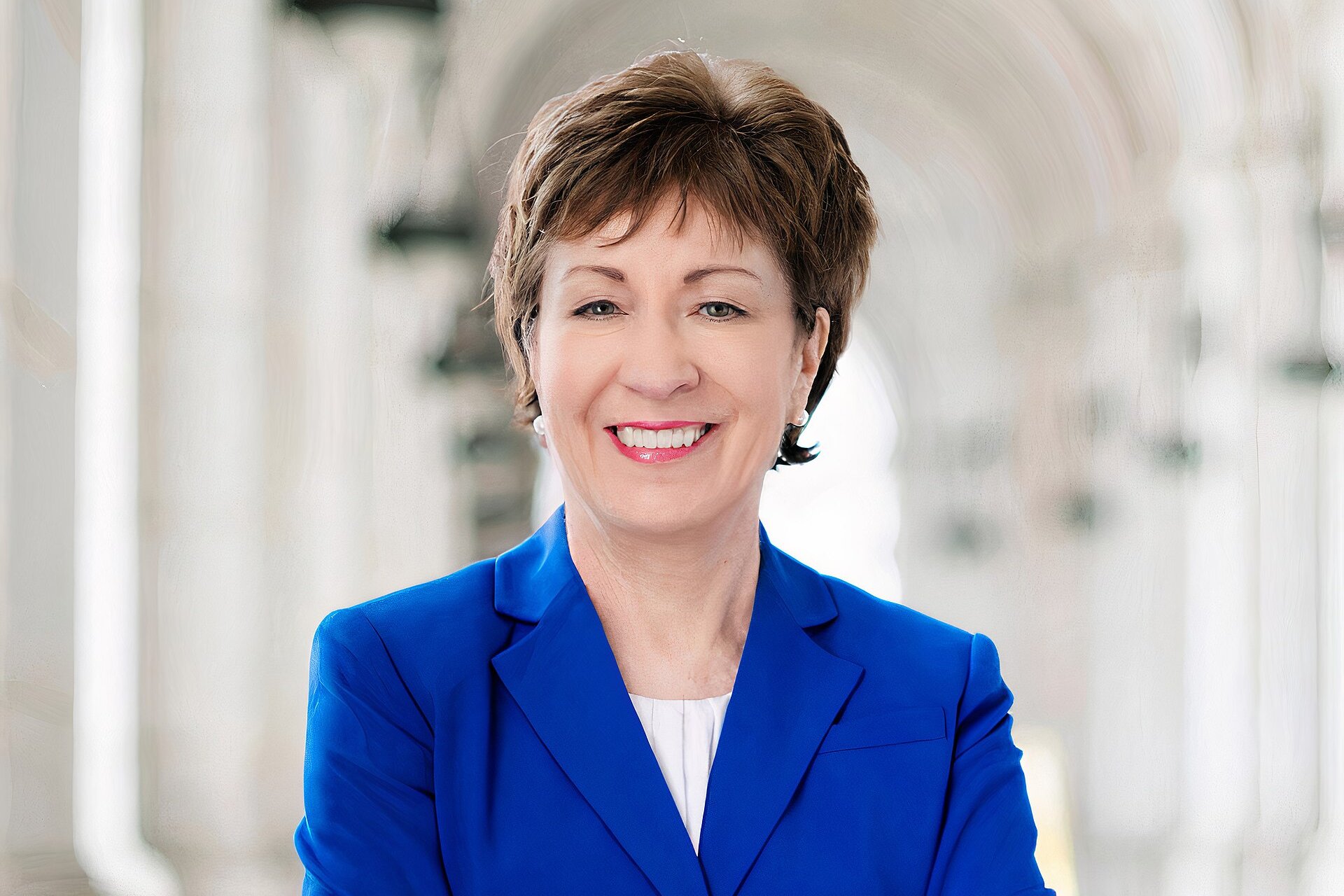
By Wednesday morning the results had answered Vance in the one language a campaign cannot argue with. Ohio chose Democrat Amy Acton over Ramaswamy. The Associated Press’s projection, carried by MultiState Elections, has her at 52.0 percent to his 44.7, a margin of about 327,000 votes, in a count that was still coming in. In Minnesota, Rep. Ilhan Omar, the Somali-born congresswoman Donald Trump has called “garbage,” won her fifth term with 76.5 percent of the vote, Newsweek reports, her best share since her first race in 2018. The same night Minnesota elected Lt. Gov. Peggy Flanagan, a citizen of the White Earth Nation, a Native American tribal nation in Minnesota, to the Senate, the first Native American woman elected to it, MPR News reports. And according to the states’ own unofficial returns, eight Somali Americans won seats in state legislatures: six in Minnesota, per the Minnesota Secretary of State’s results, and two in the Ohio House, per the Ohio Secretary of State’s results. Somalia Today compiled the list.
Our argument is that Somali Americans answered the closing weeks of the campaign the way a community answers when it has been named by the president: they stayed in the system and elected their own. That is a real result, and it is worth taking seriously. But the numbers do not show that Somali voters decided either state, and the plainest answer to the critics is not a claim about turnout, which no one can yet measure. It is that no evidence has been published for the accusation Vance made, while the fraud cases that have reached court have nothing to do with who votes.
What was said
Trump’s language about Somalis is older than this campaign. In his first term, Somalia was on the list of countries covered by his 2017 travel ban. In December 2025 he said he was ending Temporary Protected Status for Somali residents of Minnesota, a program that lets people from unsafe countries live and work legally in the United States. About a week later he told a Cabinet meeting, according to Fox 26 Houston, “I don’t want them in our country,” and said that Omar is “garbage.” Sahan Journal, a Minnesota news site, reported that on 8 October this year he posted urging Minnesotans to “fight back” against Somali immigrants. Speaking to farmers at the White House, he said, as Mediaite reported, that Somalia was “the worst country in the world,” that “we’ll take it back from Somalia,” and that Somali immigrants “steal $19 billion.” Mediaite notes that the figure is unproven.
On 12 October, at the Covelli Centre in Youngstown, Ohio, he told the crowd that Somali immigrants were “low IQ,” and tied what he said had happened in Minnesota to a warning about Ohio, the Associated Press reported. The same day, federal agents searched Omar’s home in Washington under a warrant the Justice Department called part of a criminal investigation; Newsweek says the warrant cited possible immigration offenses. Omar called it a political attack and has denied wrongdoing. We found no report that she has been charged.
Two days before the election, on Sunday 1 November in Dubuque, Iowa, Trump said, “Somalia has ruined the State of Minnesota. We don’t want them,” according to video of the rally posted by The Gateway Pundit, and the written Roll Call transcript of the rally that we checked does not include the line.
Critics of the Somali community in Minnesota do have one serious fact to point to, and fairness requires saying so. A nonprofit called Feeding Our Future was accused, Newsweek reports, of stealing about $250 million from federal meal programs for children. News reports say dozens of people were charged, most of them Somali Americans, and the ringleader was sentenced in May. Those are cases for the courts, and they are being handled there. They are not evidence about how Somali Americans vote, and they do not support a claim of $19 billion in theft or a claim that voters in Ohio are illegal.
What the vote shows
The part that can be checked is this. Minnesota had a record early vote for a midterm, nearly a million ballots, and overall turnout above 64 percent of eligible voters, about 300,000 more than in the last midterm, MPR News reported. Democrats were projected to win the governor’s office and took both chambers of the legislature, CBS Minnesota reported. The Senate race matters here for another reason. With 97 percent of voting districts reporting, Flanagan led the Republican, former sportscaster Michele Tafoya, about 54 percent to 43.5, Sahan Journal reported. Tafoya had made the state’s fraud cases the center of her campaign, the same report says, while Flanagan ran on, among other things, dismantling Immigration and Customs Enforcement. A state that heard weeks of warnings about Somali fraud gave the other side a win of about 10 points. Our reading is that Minnesotans did not reward that message, though one race cannot tell us why each voter chose as they did. The CBS Minnesota page also says a polling place in Cedar-Riverside saw “a major turnout” on Tuesday evening, without giving numbers.
Why that detail matters comes from 2024. After that election, MPR found that turnout in Cedar-Riverside had fallen to about half of eligible voters, from 67 percent in 2020, and that Kamala Harris ran about 14 points behind Joe Biden’s share there. A survey of 343 Somali Americans by the Bayan Research Center, taken two weeks before the 2024 vote, found 23 percent planning to vote Republican and about a quarter not planning to vote at all. Voters told MPR that Democrats had taken them for granted, and many were angry about Gaza. In December 2024, Sahan Journal found some of those Republican Somali voters saying they regretted it, after the immigration crackdown reached their families.
So a community that was drifting in 2024 was, in 2026, named again and again by the president and the vice president as the problem. Our reading is that the signs point to a community that was not demobilized, though a vote share is not a turnout figure. Omar’s share rose from 74.4 percent in 2024 to 76.5. In Minnesota, Somalia Today counts six Somali Americans in the legislature after this vote, all Democrats, and the state’s results confirm each win. State Sens. Omar Fateh and Zaynab Mohamed and Reps. Mohamud Noor, Anquam Mahamoud and Samakab Hussein held their seats, and Abdi Daisane took a Republican-held House seat in the St. Cloud area by 593 votes, becoming the area’s first Somali American legislator. In Ohio, the state’s results show Rep. Ismail Mohamed winning District 3 with about 84 percent and Rep. Munira Abdullahi winning District 9 with about 73. These are people elected by their neighbors, not by a flood from somewhere else.
What the results do not prove
We cannot say Somali Americans turned out in record numbers, because the numbers do not exist yet. Results by voting district for Cedar-Riverside and the Somali neighborhoods of Columbus will tell us, and until they are published, the honest statement is that the signs point toward higher participation and the proof is still to come. Nor can anyone say Somali voters won Ohio. A margin of 327,000 votes comes from the whole state, not from one community. Ohio’s Democratic Senate candidate, Sherrod Brown, was also projected to win, about 50 percent to 45 over Sen. Jon Husted, and NBC News reports that Democrats won both the House and the Senate nationally. Both states moved the way the country moved.
A conservative site, Breitbart, reported on 1 November on a video in which Mohamed, a Somali American state representative, urged people to vote and volunteer for Acton. By Breitbart’s own account, he also said that Somali American officials are in a group chat and care most about issues in Somalia. Critics can read that as they like, but lobbying for a homeland is legal and common among American communities, and nothing in Breitbart’s account suggests anyone voting illegally. Urging fellow citizens to vote is how every campaign works.
The vice president warned on Monday that Somalis would drown out other Americans’ votes. The closest thing to evidence, by Reason’s account of NewsGuard’s search, was a video of an activist standing, by the county’s account, outside the line the law draws. By Wednesday the results told a plainer story. Somali Americans were counted among the voters: at a polling place in Cedar-Riverside, on a ballot in St. Cloud, and in a Columbus-area district that returned its Somali American representative with 84 percent. Whether turnout was as strong as the poll managers described will show when results by district are published. If it was, the answer is that the community did not flood anything. It voted, as it has every right to, and it elected the people it wanted. The next test is whether those people can do anything for the families still facing deportation.
Comments
Every comment is read by a person before it appears, so yours will not show straight away. We publish comments that are civil and on the subject. To report a mistake in the piece, use the corrections page, so it is fixed in the piece itself.