
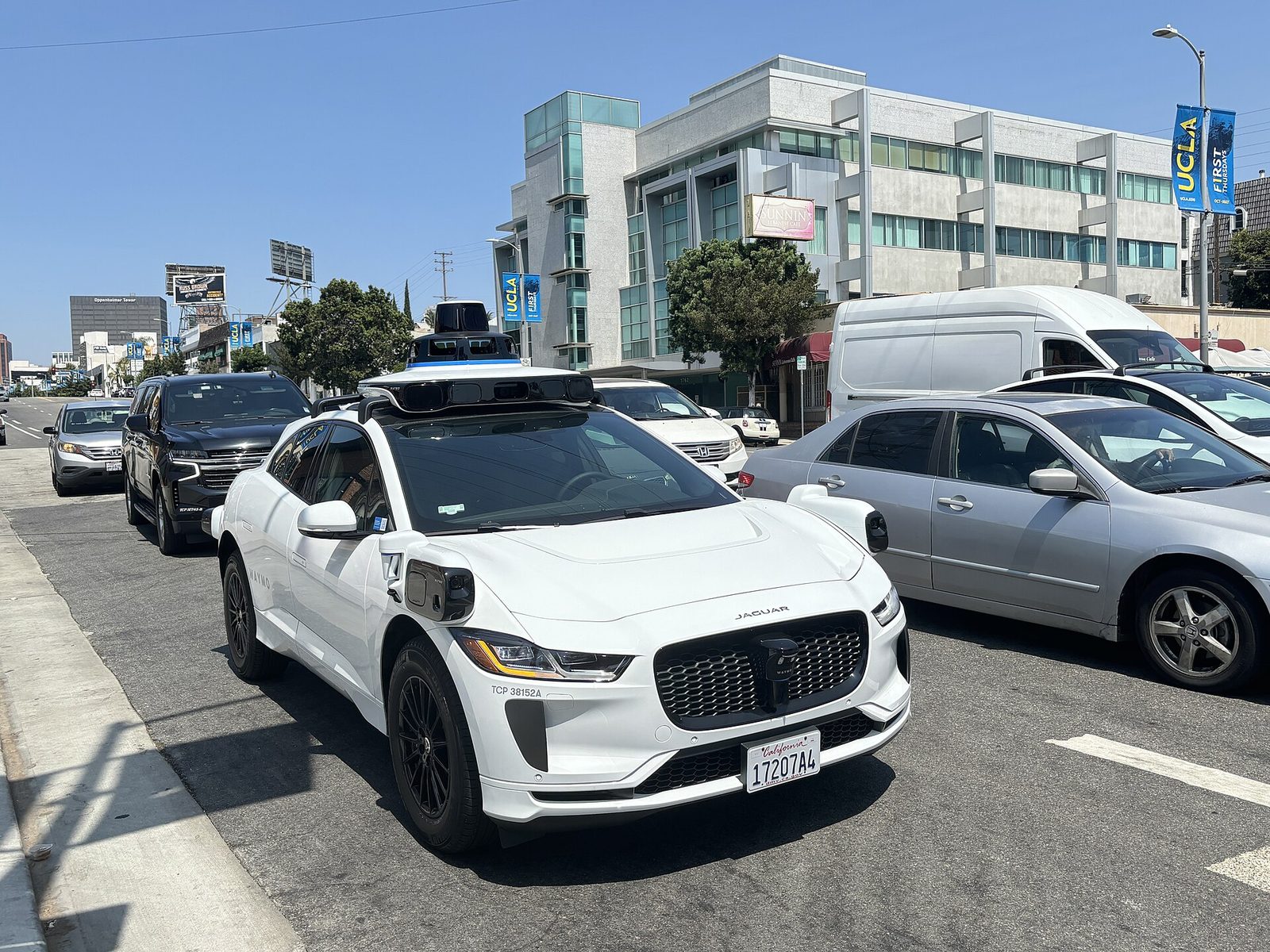
Elliot Slade was about five minutes into a Waymo ride on Highway 101 in May when, by his account, the car drove into a construction zone. He told ABC7 it “went through the cones and then sped up straight away.” A highway patrol car chased the Waymo and shouted for it to stop. The car finally left the zone and exited into a residential neighborhood. Slade took an Uber home that night, and he says he has ridden in a Waymo only once since. ABC7’s account does not say anyone at Waymo helped him during the ride. That leaves the question this piece keeps returning to: when a car is behaving wrongly at speed, who does a rider reach, and what can that person actually do?
Nobody was reported hurt in his ride, which is why it matters: regulators are now acting before a crash, not after one. On 11 November, California’s Department of Motor Vehicles ordered Waymo’s driverless cars off every state freeway. The DMV says the restrictions took effect that day, but the public learned of them on 17 November, six days later. In a statement to The Field, the DMV said Waymo’s freeway operations pose an “imminent hazard to public safety” because its cars keep driving into active construction zones, despite a restriction and fixes after similar incidents on 18 May. The restrictions stay until Waymo shows the department it has taken effective corrective action. The DMV did not answer The Field’s question about why the public learned of the order six days late. Three Waymos had entered a closure on U.S. 101 near Burlingame, and another had tried to pass California Highway Patrol cars slowing traffic on Interstate 280. Waymo says no one was injured. It has also paused freeway rides in its other cities, which reports describe as the company’s own decision, not a government order.
The story is a gap. Waymo has built strong protection against its cars breaking down. It has built much less against its cars deciding wrongly.
A fix that did not hold
The ban follows a failed repair. On 18 May, seven Waymos entered freeway lanes with active construction in the Bay Area, according to Waymo’s own recall filing with the National Highway Traffic Safety Administration, the federal vehicle-safety agency. In April, there were six similar events in Phoenix, where cars drove past ramp-closure signs into planned construction zones. Waymo recalled the driving software in 3,871 of its fifth-generation cars. The filing says the cars may have been inappropriately prioritizing the avoidance of other freeway hazards or failing to recognize the construction zone. Waymo began updating the cars on 16 June, an updated filing says, and on 29 July it said it was gradually restoring freeway routes, starting in Phoenix, with Los Angeles and the Bay Area to follow. Then came the incidents of 5 and 6 November.
Read that wording again. Waymo is not saying a part broke. It is saying the software chose wrongly, giving more weight to one danger than to another. A second onboard computer would not fix that, because it would most likely run the same software and reach the same choice.
The same pattern appears beyond freeways. On 20 December 2025, a power outage in San Francisco knocked out traffic signals. Many of Waymo’s roughly 1,000 cars in the city stopped at intersections, some blocked emergency vehicles, and Waymo suspended service that evening. Waymo says its cars treat dark signals as four-way stops. It has not explained why the cars stayed stuck so long. San Francisco fire department reports tell a similar story: at least 31 internal reports since April 2025 describe robotaxis obstructing emergency work, though most describe delays of five minutes or less. Waymo answers that its cars deal with 50,000 emergency vehicles a week in California “without issue,” and that the reports reflect only the fire department’s view. Both can be true, and only data from both sides could settle it. Has the federal agency asked Waymo for its own logs of emergency encounters? I could not find that it has.
These moments are rare, and they share a feature. The cars handle ordinary roads well. They struggle when the road stops being ordinary: a dark intersection, a closed lane, an emergency. Those are the moments when a wrong decision costs most.
Who helps when the car is stuck
When the software is unsure, it asks a person. Waymo says these remote workers do not drive the cars. They answer questions the car puts to them. In February the company said about 70 of them are on duty at any time worldwide, for a fleet it then put at about 3,000 vehicles. It has told Senate investigators that its overseas workers, some of them in the Philippines, are about half of its remote workforce. The fleet is larger now: the May recall alone covers 3,871 cars of one generation.
It is tempting to make this a story about foreign workers. The evidence does not support that, and it would let Waymo off the hook. The best-documented case of remote help going wrong involved a worker in the United States. In January, a Waymo in Austin stopped for a school bus, then asked its remote desk whether the bus had active signals. According to the National Transportation Safety Board’s preliminary findings, an agent in Novi, Michigan, answered “No”, and the car passed the bus with its stop arms out. The car’s own judgment, to stop, was right. The human backstop overrode it.
The larger problem is that nobody outside the company can judge the backstop. A Senate investigation led by Ed Markey asked seven autonomous-vehicle companies how often their cars need remote help. None disclosed it. The same report says Waymo’s Philippines-based agents work with a longer signal delay than its American ones, 250 milliseconds against 150, and hold local licenses rather than American ones. I cannot say whether a delay of a tenth of a second matters on a fast road, and neither can the public, because the numbers that would settle it are not published.
Now return to the back seat. If the car stops on a freeway, Waymo’s design is to head for the nearest exit and park on a surface street, with the shoulder as a fallback, and to switch to backup computers if the main ones fail. That plan was described for malfunctions, maintenance and collisions. I could not find any published Waymo procedure for a rider whose car is behaving wrongly on a freeway, or for what the pull-over button does there. Does the car still drive miles to the exit? Should the rider stay buckled or get out? Who decides, and how fast does a person arrive? Those answers are not public, and they decide how long a frightened rider stays in a car they no longer trust. The same silence covers two more questions. How long does roadside help take to reach a stopped car? Riders have posted stories of long waits online, and I could not verify any of them, which is itself the point: Waymo publishes no response times that would let anyone check. And if a car halts in a fast lane, can a rider safely get out, or is staying inside the lesser danger? A company that sells a ride with no driver owes riders an answer before the emergency, not after it.
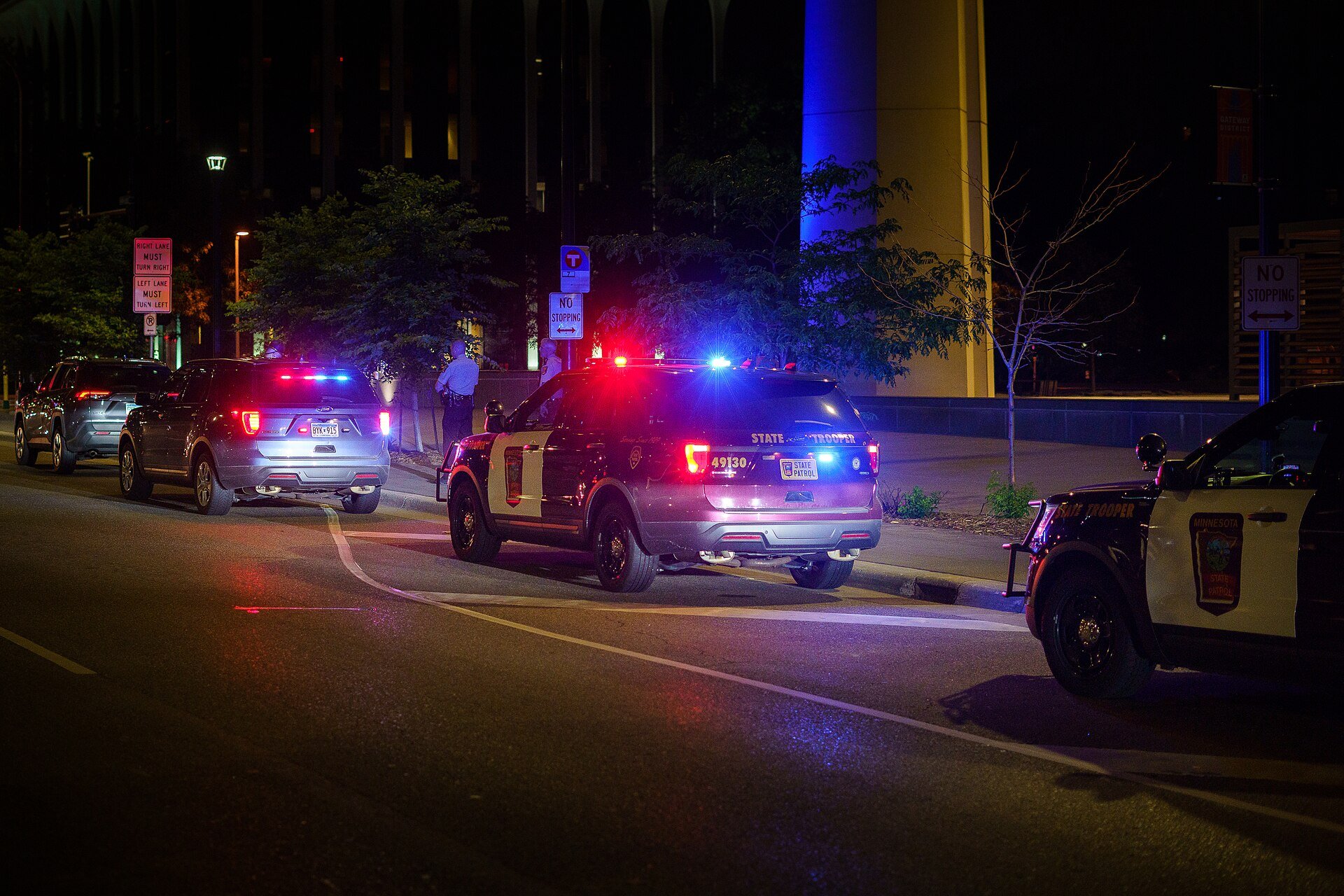
In one reported case, on 30 August 2025, a grass fire closed Interstate 280 near Woodside and a Waymo with a passenger got stuck in the backed-up traffic. A California Highway Patrol officer called Waymo’s dispatch, which authorized him to take the wheel, and he drove the car off the freeway himself. Police and firefighters, not the company’s staff, end up filling the gap on the road.
California has since moved. Rules the DMV finalised in April let police issue a formal notice of noncompliance to a company from 1 July, and the company must report it to the DMV within 72 hours. Since the same date, companies must also keep an emergency line that a person answers within 30 seconds. The DMV calls them the strongest in the nation. Asked how often police have used those notices against Waymo, it did not say. Gov. Gavin Newsom has also signed SB 1246. From July 2028 it requires remote drivers to be based in the United States with a California-valid license, requires technicians who can reach a scene, and lets cities seek up to $10,000 per vehicle when a driverless car blocks emergency crews for more than 30 minutes. The law’s location and licence rule covers only remote drivers, whom it defines as people who steer, brake or accelerate a car in real time. Remote assistants, the people who answer a car’s questions, are defined separately, and the rule does not name them. The law’s own findings say remote input should come from people in the United States, but that is a statement of purpose, not a requirement. Because Waymo says its staff do not steer, the law does not reach the very people whose answers keep its cars moving. The DMV’s statement did not say whether it plans to cover them.
The fair counterargument
Waymo has a real case. Its own latest analysis, which Reason cites, covers more than 270 million driverless miles and reports 82 percent fewer injury-causing crashes than human drivers in the same cities, and 95 percent fewer crashes causing serious injury or death. Freeways and expressways make up around half of California’s driving miles, so keeping robotaxis off them could cost lives if people drive instead. In the Santa Monica case on 23 January, where a Waymo struck a child who ran out from behind a parked SUV, the company says the car braked hard from about 17 mph to under 6 mph, and that an attentive human driver would have hit the child at about 14 mph. That estimate comes from Waymo’s own model, and I found no independent finding on the case, so it is a claim to test, not a settled fact. Waymo says none of the November freeway incidents caused an injury.
All of that may be true. It still does not answer the ban, because a good average does not cancel a failure that repeats. The safety figures are also Waymo’s own, and the Reason article mentions no independent check of them. A driver who is better than most can still make the same mistake in the same place, and a regulator is entitled to act on that. The Field sent Waymo six questions on 20 November and asked for answers by 27 November. Waymo had not replied when this piece was published, and any reply will be added here.
What would close the gap
Four steps would help, and none needs a technical breakthrough. First, someone other than Waymo should check the next fix, and say what they checked, because the May fix did not hold. The DMV says it will review Waymo’s evidence, but it has not said how. Second, Waymo should publish how often its cars ask for help and how long the answers take, as the Senate investigators asked. Third, there should be a clear rule for the rider in the worst case, a car stopped or misbehaving on a fast road, with a stated time for a person to arrive. Fourth, the DMV should say plainly what counts as enough. It has said Waymo must show its cars can safely handle construction zones, emergency vehicles and other road situations. It has not said what test that evidence must pass.
Waymo’s cars handle most of what a road throws at them. The record from this year shows what they do with the rest: they stop, they freeze, they ask a person, or they push on. Until the company and its regulators can say which one happens, and how often, the safest place for a driverless car in California is on surface streets.
Comments
Every comment is read by a person before it appears, so yours will not show straight away. We publish comments that are civil and on the subject. To report a mistake in the piece, use the corrections page, so it is fixed in the piece itself.