
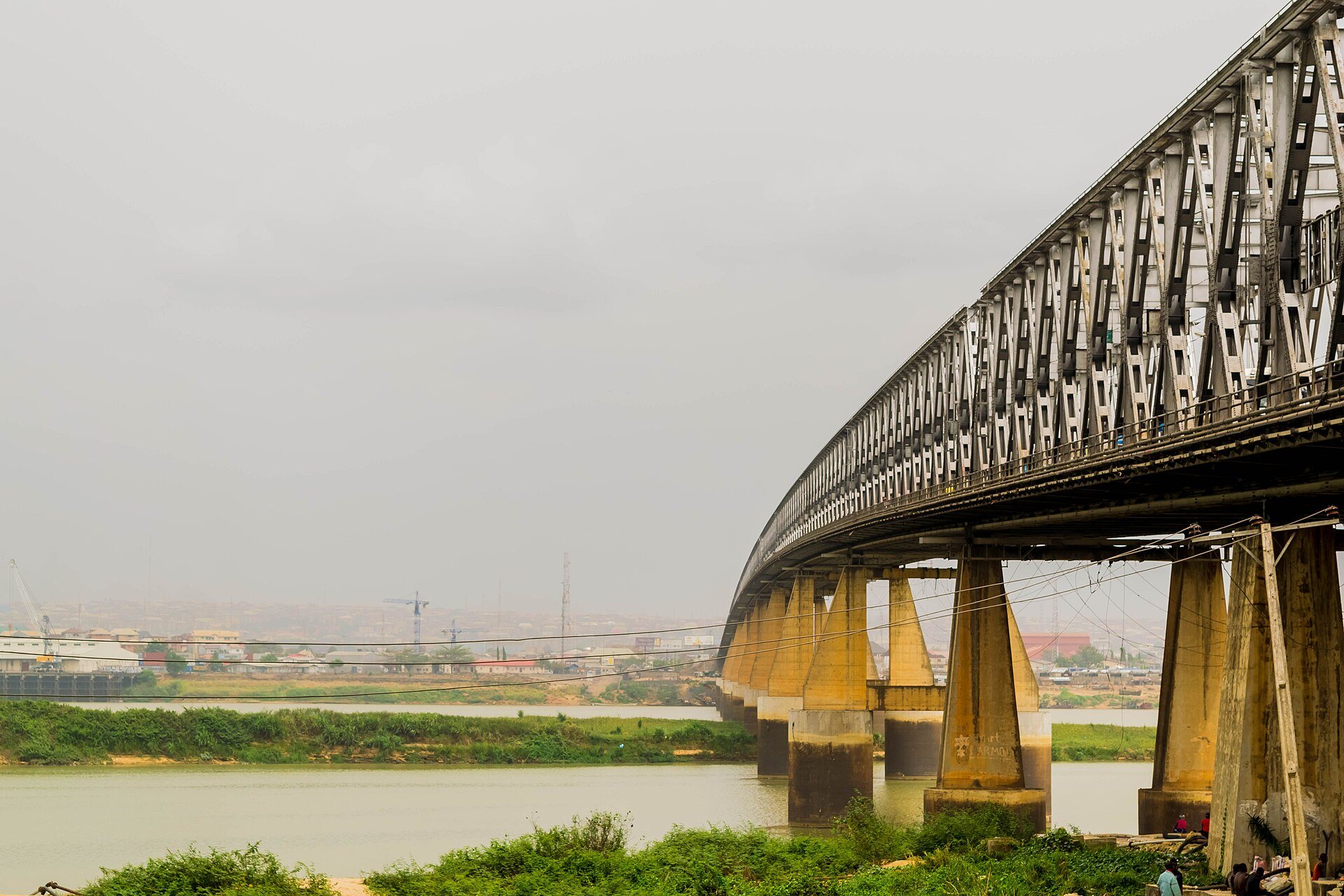
On the morning of October 1, gunmen stopped two buses near Umunoha, in Mbaitoli, on the Owerri–Onitsha road in Imo State, southeast Nigeria. Many of the passengers were recent university graduates travelling from Ibadan to national-service orientation camps. ThisDay says 20 prospective corps members and a civilian were taken. Police say they were rescued at about 4:28 pm on October 7 at Amakohia Ubi village, in Owerri West.
That is almost everything the public has been told. I have found no report of any arrest as of October 12. On October 8 police said the State Criminal Investigation Department in Owerri was investigating. Police have not named the gunmen. The military confirmed the rescue but gave no detail. Imo’s governor, Hope Uzodimma, said his government had deliberately kept information back because lives were at stake. The families tell a different story from the police about how it ended.
What the families say, and what the police say
According to ICIR, the mother of one of the captives, Alirat Wahab, said the kidnappers first demanded N50 million per person, then N15 million. She said the family could raise only N5.5 million and paid N6 million, and that a relative was told to send it to an account and then convert it to dollars once in Imo. The Guardian (Nigeria) reports another relative saying some families paid more than N3 million and others up to N6 million.
TheNigeriaLawyer adds that parents allege the State Security Service knew about the payments, and that the SSS has not confirmed it. Other outlets reported different demands: about N950 million in total, or N100 million, cut to N5 million a head. The figures do not agree, and none has been confirmed by the police.
The Imo police commissioner, Audu Bosso, told Channels Television he knew of no ransom payment. He said the kidnappers gave in to pressure from security agencies searching the forest. Police have also said they located the kidnappers’ camp by drone but could not enter at first because of explosives on the roads.
I cannot tell you which account is right. The ransom claim comes from the families. I have found no document or second source that settles it, and ICIR itself says it could not confirm what the kidnappers received. But the two accounts cannot both be complete, and the people who could settle it are the police.
The second attack in 36 days
On August 26, SaharaReporters reports, 15 corps members and six other people were abducted on the Aloma–Egane expressway in Kogi State, on their way back to Abuja from camp in Bayelsa. President Bola Tinubu announced that all 21 had been rescued. No arrests were reported. The youth corps, which counted 16 abducted and all recovered, said it would review its security protocols for corps members nationwide. Thirty-six days later, another group of graduates was taken on a road in the southeast.
Not the first time a “rescue” has come with no answers
In May the Oriire school abduction in Oyo State ended after 56 days. The Presidency said the captives were rescued by security forces, with no ransom or concessions. A freed teacher told ICIR there had been no fighting: the captors took off their blindfolds and chains and told them to leave. The Presidency had promised a full account. I have not found one. Three men were later sentenced to life, but, according to ICIR, they pleaded guilty to concealing information about the alleged masterminds, not to the abduction itself.
The wider record is in a companion piece on why these abductions keep happening. In the cases I checked, official statements use the word “rescued” and stop there.
The law and the families
In April 2022 the Senate passed a bill amending the terrorism law to make paying a kidnap ransom a crime, with a prison term of at least 15 years. When Al Jazeera reported it, the bill still had to pass the House and be signed by the president. I have not confirmed that it became law in that form, and I found no report of anyone being prosecuted for paying a ransom. If it did, and the families’ account is true, parents of 20-year-olds may have broken it to get their children back, while the people who took the children have not been named. Whether that law is in force, and whether it has ever been used, are questions for the justice ministry. The State Security Service has told reporters that government agents do not pay ransoms, but that families may negotiate and pay on their own.
Who is looking after the corps members
The youth corps says it is not a security agency. Its director-general, Olakunle Nafiu, said in April that corps members should stop travelling by 6 pm and spend the night at military bases, police stations or youth-corps facilities, and that in some places troops escort them. He said members are covered by the national health insurance scheme and that the corps pays large medical bills for serious cases.
The Imo group travelled on private buses from Ibadan. ThisDay reports that traffic near Benin delayed them and they spent the night in Anambra State, then set off again before dawn. An early AllAfrica report put the overnight stop in Imo State, after Onitsha, so the sources differ. The report does not say whether they had an escort, and I found no mention of one. I found no public statement from the youth corps about this abduction. Its spokesperson did not respond to Punch. The captives were prospective members who had not yet been sworn in, and I could find nothing about whether any insurance or compensation applies to them.
What I do not know
I do not know who took them, whether anyone has been arrested, or whether a ransom was paid. I do not know who the civilian among the 21 is, or whether anyone from the buses is still missing, because reports of the number on board differ. I do not know how the 10 people police first said they had rescued at the scene relate to the 20. Sources also disagree on the number held (19, 20 or 21), the time of the attack, and whether it was six or seven days.
What should change
- Police should say whether anyone has been arrested, and answer the families’ account of the payment.
- The youth corps should say what protection prospective members get, and whether they are covered if they are taken before they are sworn in.
- The government should say whether the ransom-payment offence proposed in 2022 is in force, and whether anyone has ever been charged under it.
- Where a release is called a rescue, officials should give the same basic facts every time: who was held, who held them, how they were freed, and who has been charged.
Comments
Every comment is read by a person before it appears, so yours will not show straight away. We publish comments that are civil and on the subject. To report a mistake in the piece, use the corrections page, so it is fixed in the piece itself.