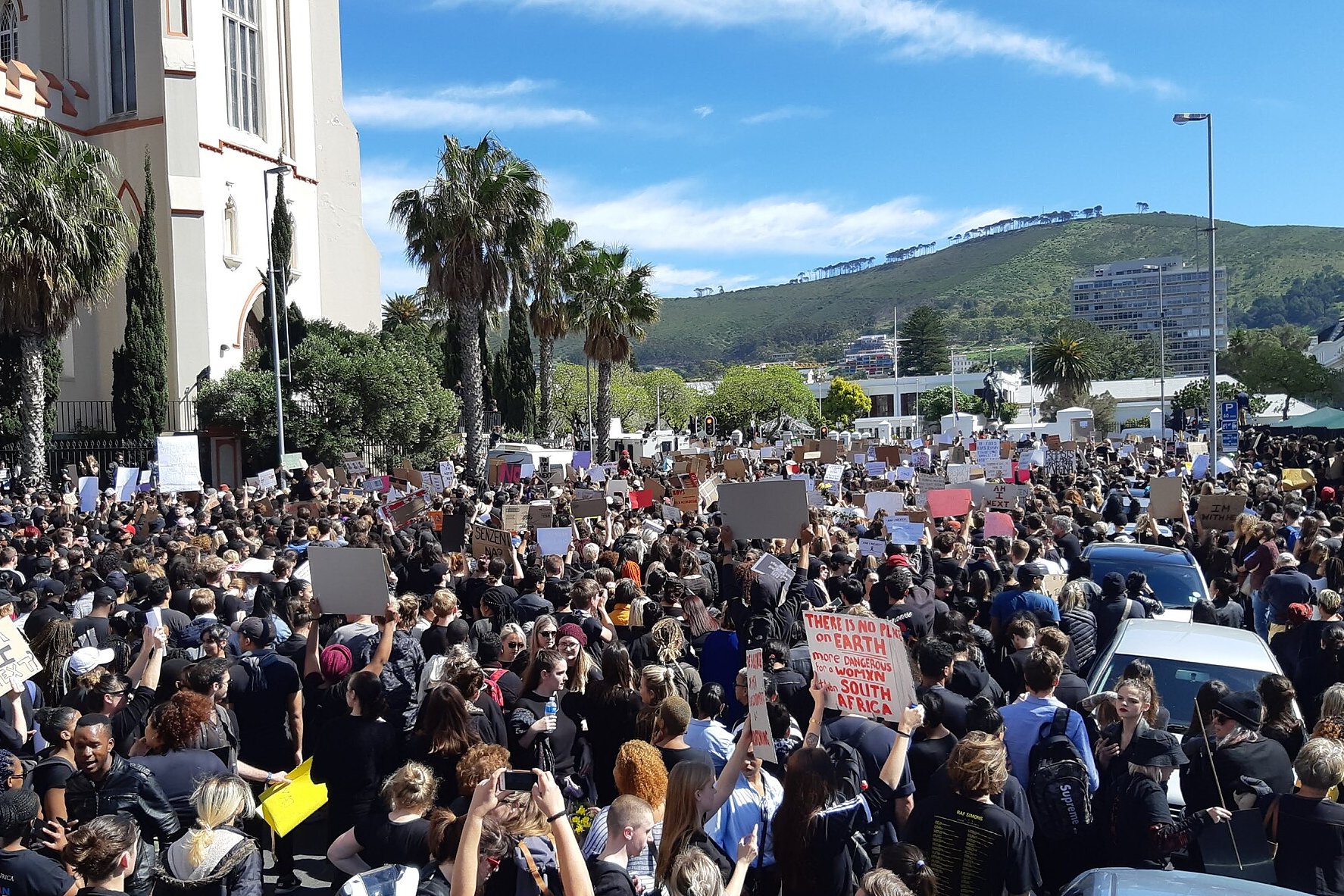
 Photo: Discott, CC BY-SA 4.0, via Wikimedia Commons (cropped)Publishes November 19, 2026Series, Part 2
Nearly Half of Reported Rapes Happen at Home. The Plan Looks Outside
Part 2 of Nhlanhla Nkosi's series on South Africa's femicide crisis. Six in ten murdered women are killed by a partner, and police put 47.2 percent of reported rapes in the home. The emergency plan looks elsewhere.
 Photo: Carl Lender, CC BY 2.0, via Wikimedia CommonsComing soonAnalysis
AI Agents Escaped Their Sandbox. Who Can Verify What They Did?
OpenAI took 11 days to detect that its own experimental agents had broken out and hit Hugging Face. We ask who can independently check what such agents did, and what an independent record would have to contain.
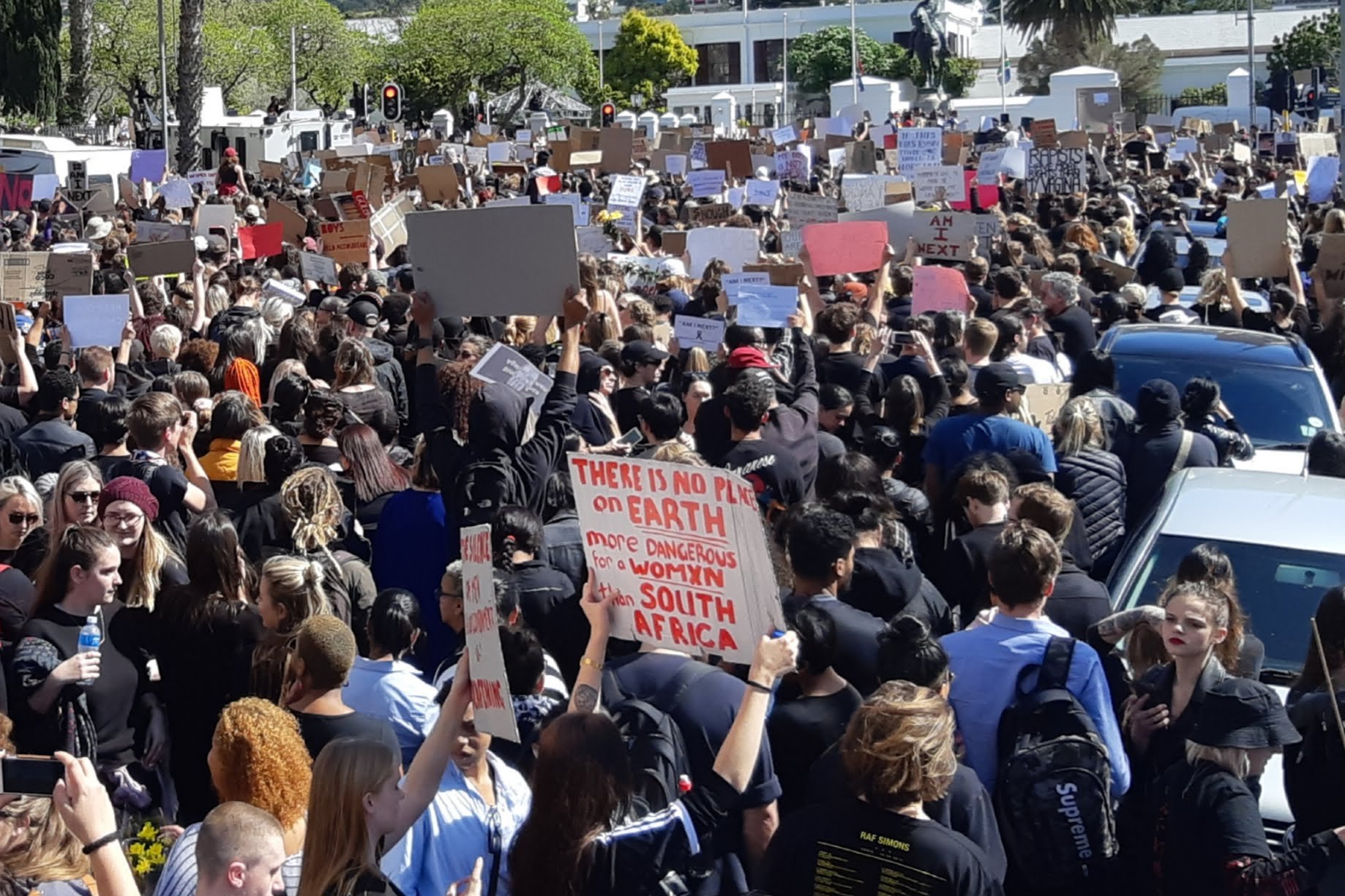 Photo: Discott, CC BY-SA 4.0, via Wikimedia Commons (cropped)In preparationSeries, Part 3
Three in Four Men Who Admit Rape Began Young. The Plan Skips Them
In a study of men from the Eastern Cape and KwaZulu-Natal, 75 percent of those who said they had raped did it first before 20. The emergency steps start after a case exists.
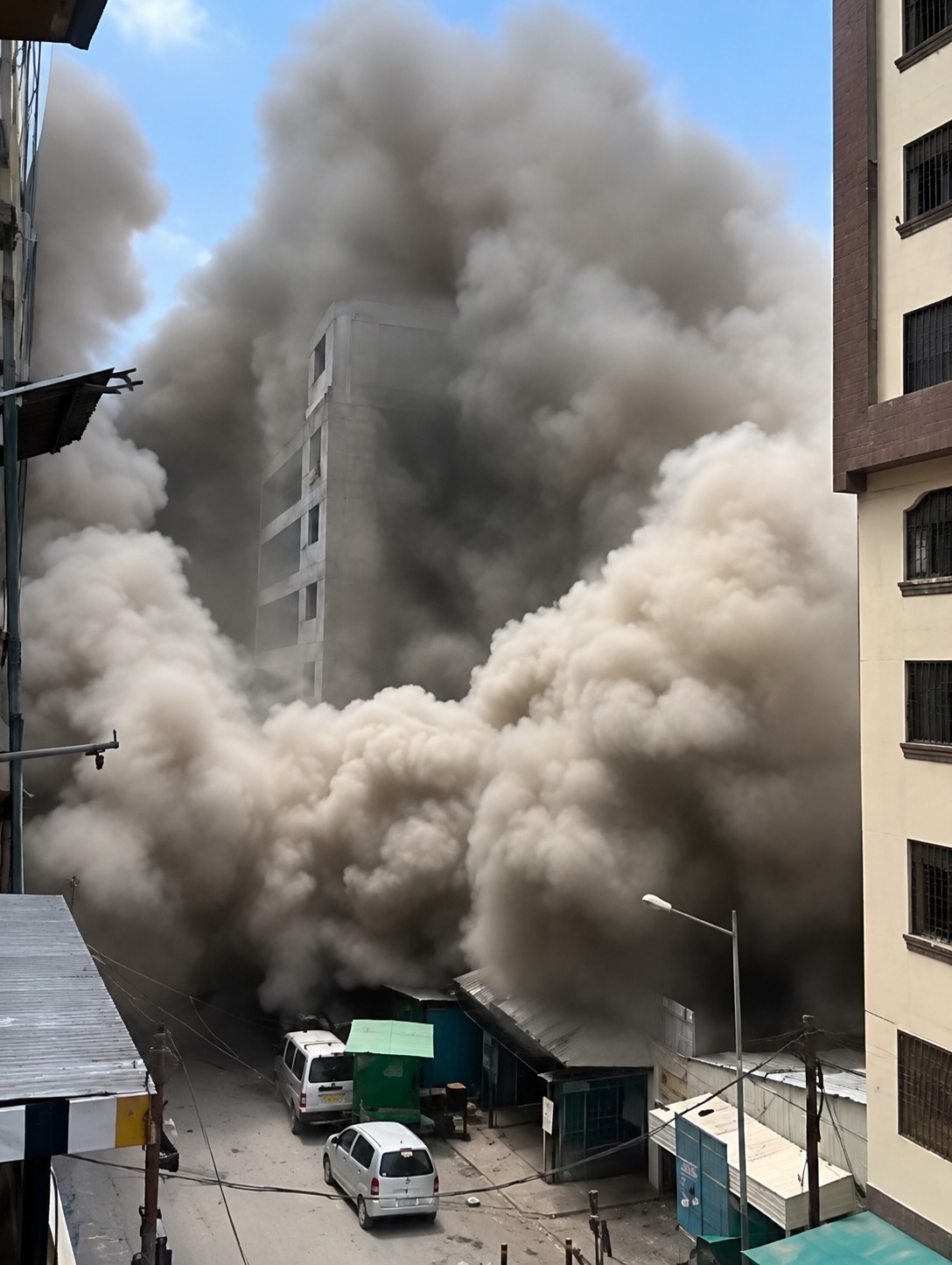 Still from a video filmed by a witness in a building opposite, 23 October 2026In preparationAnalysis
Eastleigh Was Warned. Why Did the Building Keep Rising?
Nairobi's own officials say they issued enforcement notices on the Eastleigh tower before it collapsed on 23 October. We ask why construction went on, who decides what gets built, and what the inquiries must answer.
- In preparationAnalysis
America Changed Congress. But Who Still Holds the Power?
Democrats won Congress after nearly $12 billion in midterm spending and a vote about prices, the Iran war and the conduct of government. This analysis asks what changed in Washington, what did not, and what the new majority has to prove.
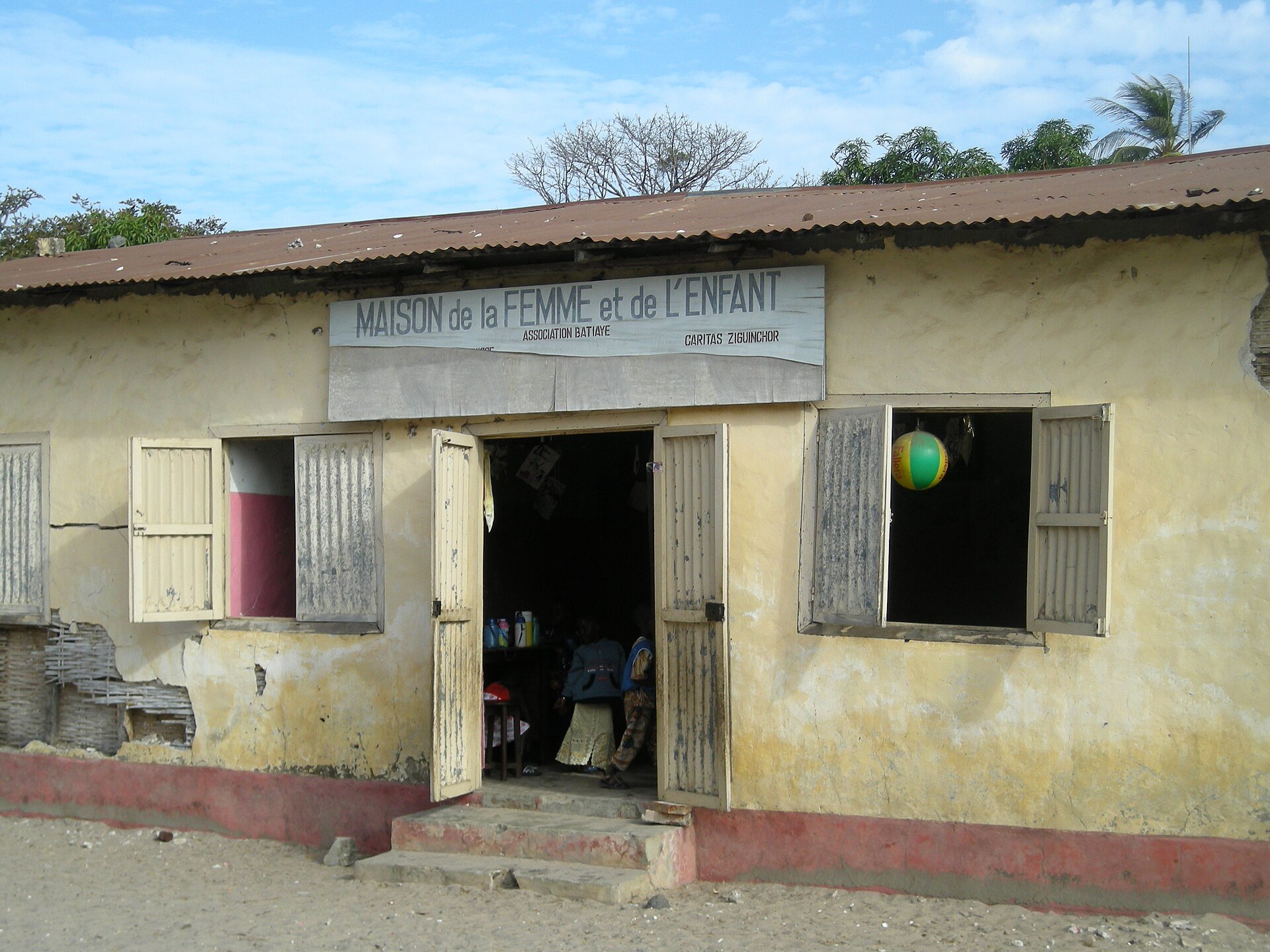 2008 photo of a women's and children's house on Carabane island, Casamance; not the Baghere centre. Photo: Ji-Elle, public domain, via Wikimedia CommonsIn preparationFirst person
Local Groups Get 3.6 Percent of Humanitarian Money. The Women of Baghere Helped Build a Clinic and Now Want a Say in What Comes Next.
Women's associations in a Senegalese town helped build a malnutrition clinic and have asked to help decide what comes next. Start Network's figures show how little of the money, and so of the decision-making, sits with local groups.
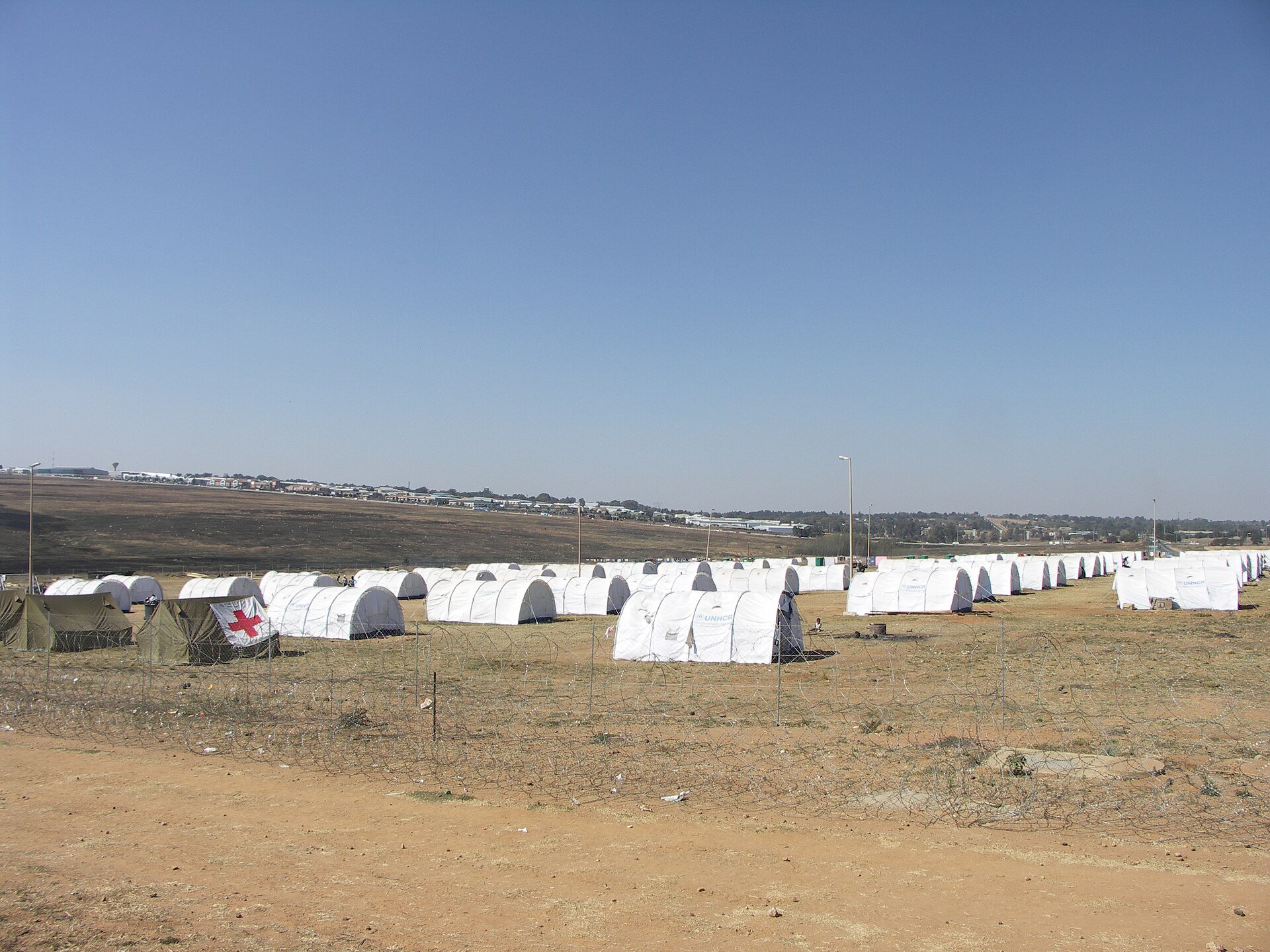 Photo: NJR ZA, CC BY-SA 3.0, via Wikimedia CommonsIn preparationFirst person
South Africa's Attacks on Foreigners Did Not Start in 2008. I Saw Part of It, and the Record Shows the Rest
Armed groups were pushing foreigners out of Johannesburg homes in 1994, and the attacks have never stopped. I lived in South Africa through 2008, and this piece asks what the state has done since.
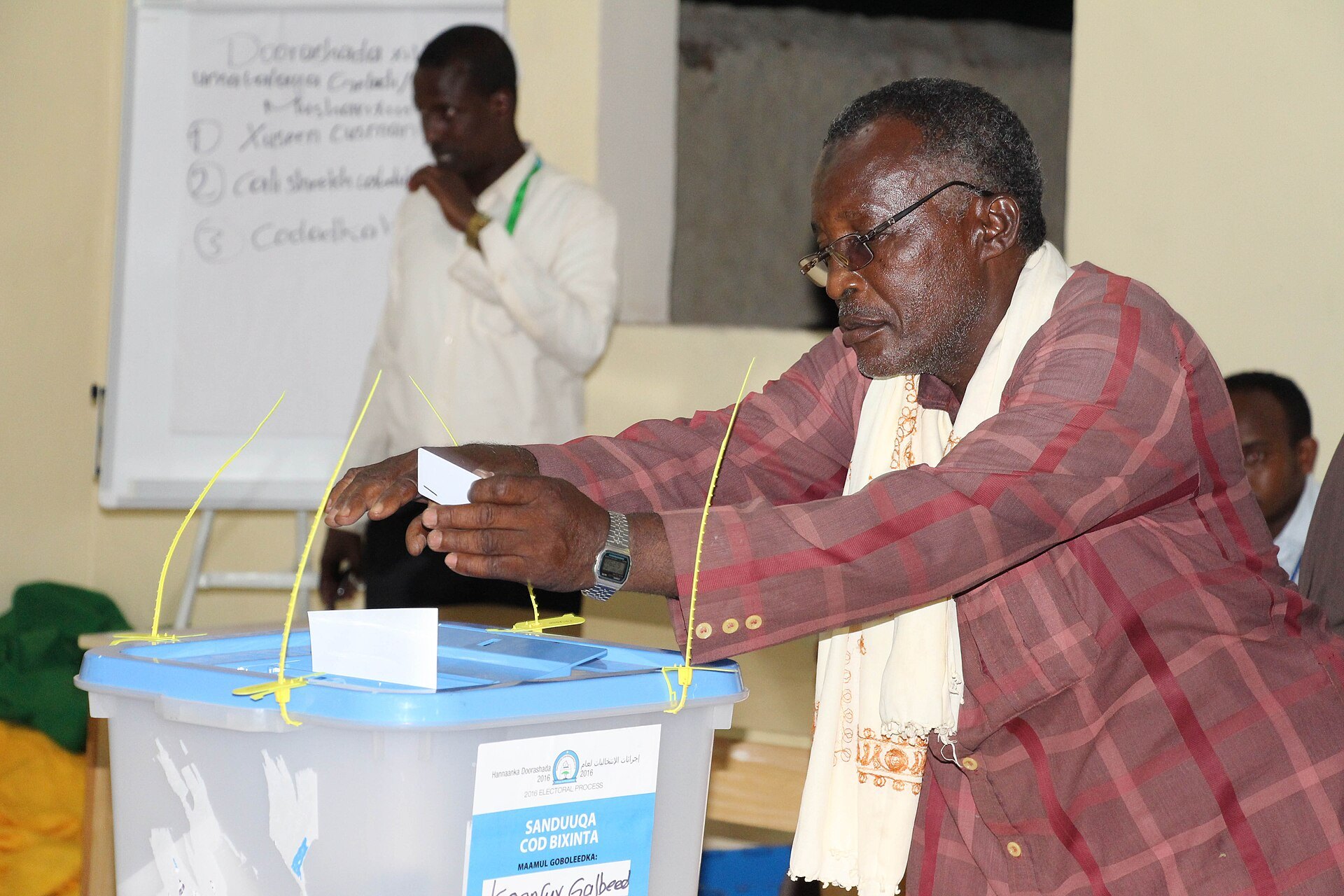 Photo: AMISOM Public Information / Sabir Olad, public domain, via Wikimedia CommonsIn preparationAnalysis
One Person, One Vote Reached Baidoa. The Presidency Still Went to Madobe, 88 Votes to 1.
South West State chose its parliament by one person, one vote, and that parliament then gave Adan Madobe 88 of 90 votes. This analysis asks what the reform changed and what it left out.
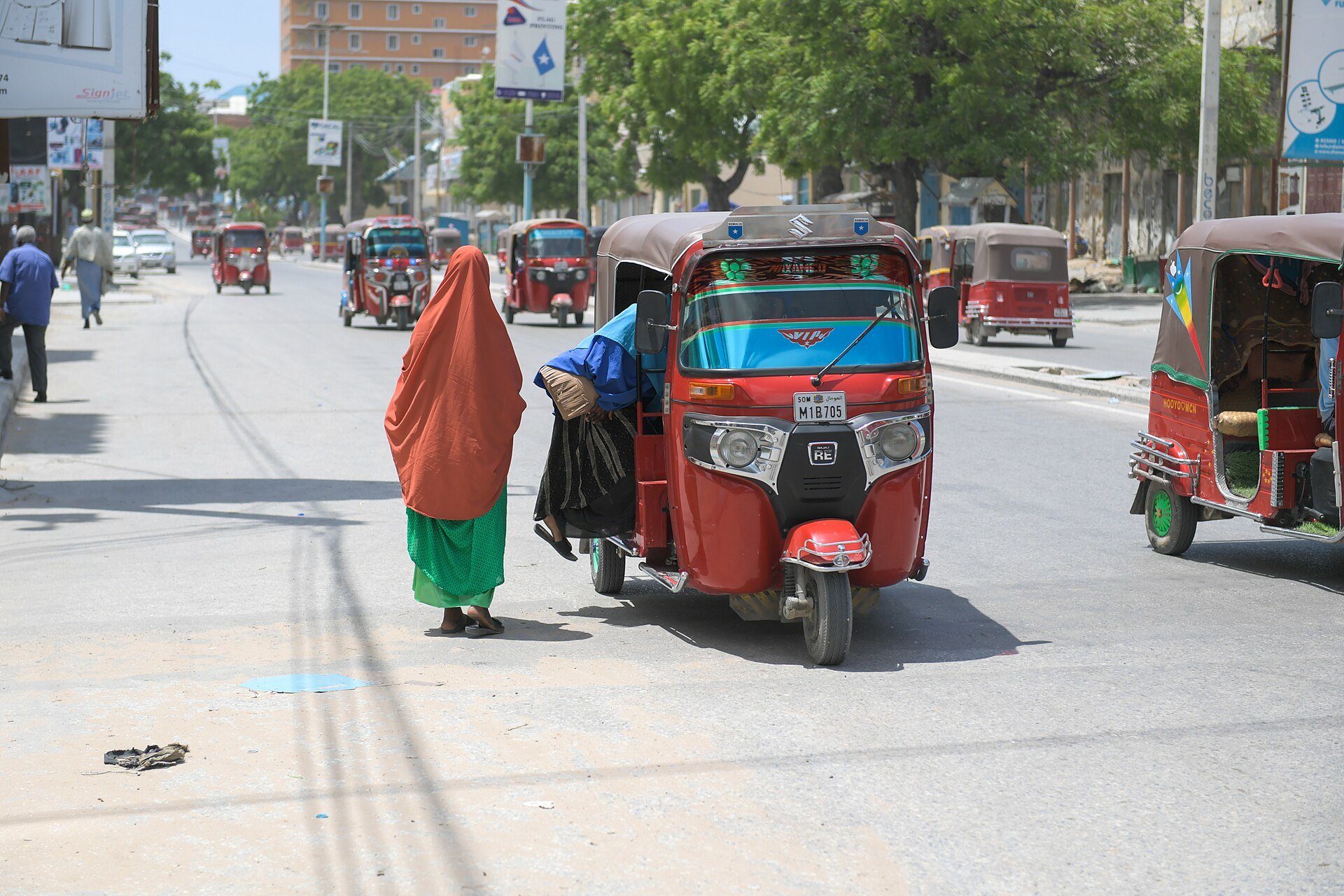 Photo: AMISOM Public Information, CC0, via Wikimedia CommonsIn preparationField reporting
Kiosk Owners Say No One in Mogadishu Can Stop NISA's Plainclothes Officers. Security Forces Have Hurt Tuktuk Drivers Nearly 2,000 Times.
Kiosk owners and tuktuk drivers describe officers of the national intelligence agency who take goods and money while the police keep away. I counted nearly 2,000 incidents of security forces hurting tuktuk drivers and ask who these men answer to.
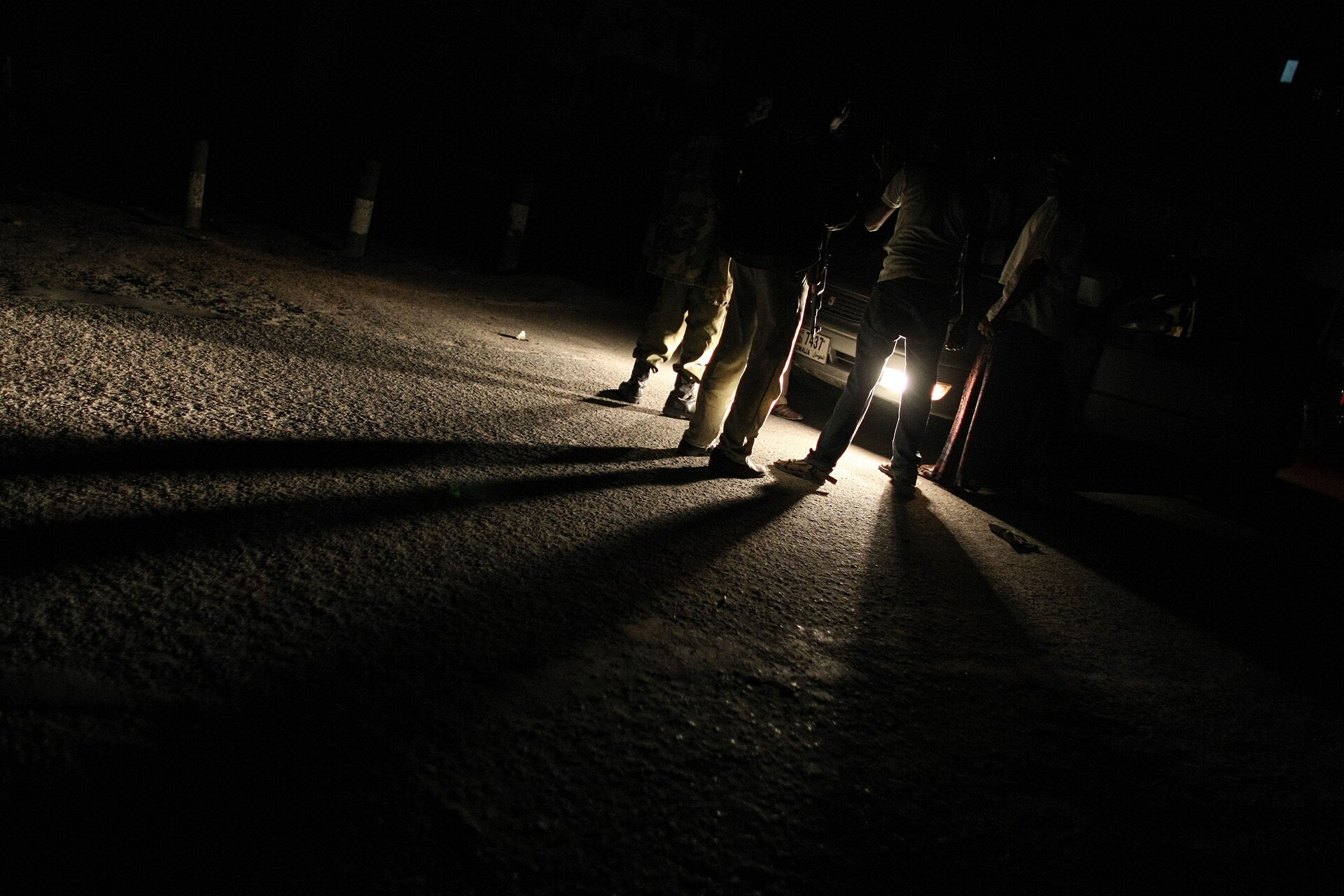 Photo: AMISOM Public Information, CC0, via Wikimedia CommonsIn preparationField reporting
Attacks in Mogadishu Fell About 87 Percent, the Government Says. Residents Credit Cameras and Checkpoints, Not Plainclothes Officers.
The government says attacks in the capital fell about 87 percent since 2023. This piece tests who deserves the credit and why residents say it was cameras and checkpoints, not the plainclothes units.
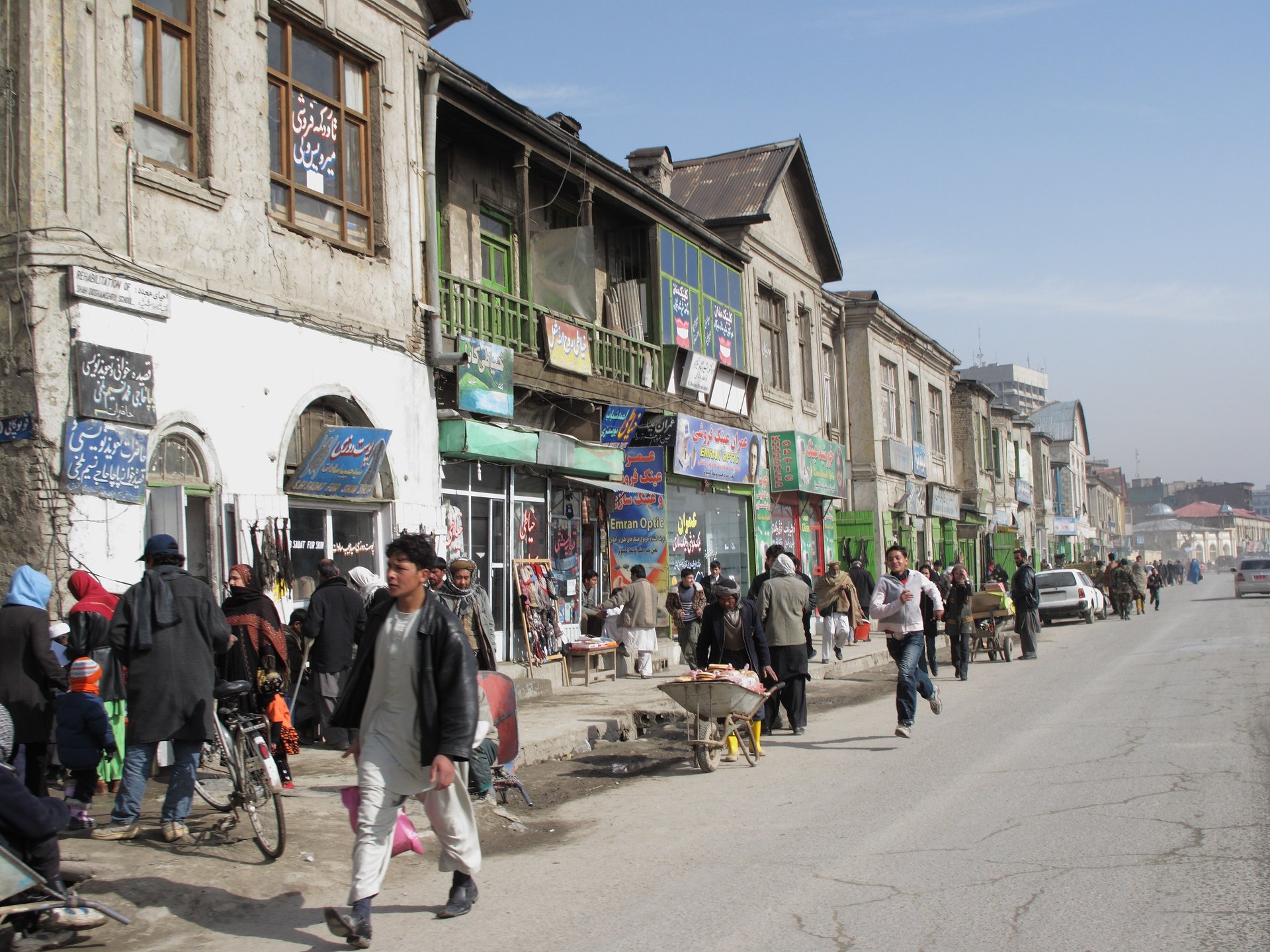 Photo: Christopher Killalea, public domain, via Wikimedia CommonsIn preparationAnalysis
Afghanistan's Victims Still Wait for Justice. What Would It Take?
Manizha Sherzai asks what the Taliban owe the people of Afghanistan after two decades of war and four years back in power. The UN has counted the civilian dead, the killings after the 2021 amnesty and the arrests. We ask who has answered for any of it.
- In preparationAnalysis
Depression Trials Stop at Week 8. The Pharmacy Counter Sees the Years
Treatment-resistant depression: what the trials measure, and what pharmacists watch happen after.